


A dull ache at the back of your jaw, swelling near your gumline, or a tooth that seems to be coming in sideways are all signs your wisdom teeth might be causing trouble. Most people develop their third molars, commonly called wisdom teeth, between the ages of 17 and 25, and not everyone has enough room in their jaw for them to come in properly. When these teeth become impacted, crowded, or infected, timely care can help prevent bigger problems down the road.
At Pauley Family Dentistry, we evaluate every patient’s wisdom teeth on an individual basis using digital imaging and a thorough exam to see exactly what’s happening beneath the gumline. As a general dentist, Dr. Pauley handles routine extractions and soft tissue impactions right here in our Lincoln office. When a tooth is more deeply impacted in the jawbone, we’re glad to complete your initial consultation and imaging ourselves, and then refer you to a trusted oral surgeon for that specific procedure.

Not every wisdom tooth requires the same kind of care, and knowing the difference can help you know what to expect before you ever sit down in the chair. Your specific approach is always determined during a consultation and with imaging such as an x-ray or panoramic scan, never guessed at from symptoms alone.
Here is how the three most common situations differ.
Knowing which category applies to you takes the guesswork out of your care and helps set realistic expectations before you book anything.
Wisdom teeth do not always cause problems, but when they do, the symptoms tend to show up gradually before becoming more noticeable. Jaw stiffness, tenderness when chewing, and swelling near the back of the mouth are often the earliest signs, especially if a tooth is only partially through the gum tissue.
Left untreated, these situations can lead to infection, damage to neighboring teeth, or cyst formation around an impacted tooth. We use digital x-ray imaging to get a clear, detailed view of your wisdom teeth and the surrounding bone and nerve structures, which helps us determine the safest path forward before any procedure is recommended.
Every wisdom tooth situation looks a little different, which is why we start with a thorough exam and imaging rather than assuming a one-size-fits-all treatment plan. Using digital x-ray technology, we can see the position, angle, and depth of each wisdom tooth, along with its relationship to nearby nerves and teeth.
From there, we walk you through what we’re seeing in terms that make sense, not dense clinical language that leaves you more confused than before. If your case is a straightforward extraction or a soft tissue impaction, Dr. Pauley may be able to treat it directly during a follow-up visit in our office.
If imaging shows a bony impaction, we will let you know clearly and help set up your referral to an oral surgeon we trust. Either way, we’re glad to be the ones who run your initial consultation and imaging, so you get one clear answer instead of bouncing between offices to figure out where to start. This approach means you are matched with the right level of care the first time, and we stay in the loop throughout the process so your care feels connected rather than disjointed.
Recovery after wisdom tooth removal, whether the extraction happens in our office or with a specialist we’ve referred you to, generally involves a few days of rest, a soft food diet, and following aftercare instructions closely. Swelling and mild discomfort are normal in the first 48 to 72 hours, and most patients feel significantly better within a week.
Pain management has shifted quite a bit in recent years. According to the National Institute of Dental and Craniofacial Research, combinations of ibuprofen and acetaminophen are now considered the first choice for managing pain after wisdom tooth removal, rather than opioid medications, particularly for younger patients. We will walk you through a pain management plan that fits your needs and keeps recovery as smooth as possible.
Here is what helps most patients recover comfortably:
Following these steps closely gives your mouth the best chance to heal quickly and without complications.
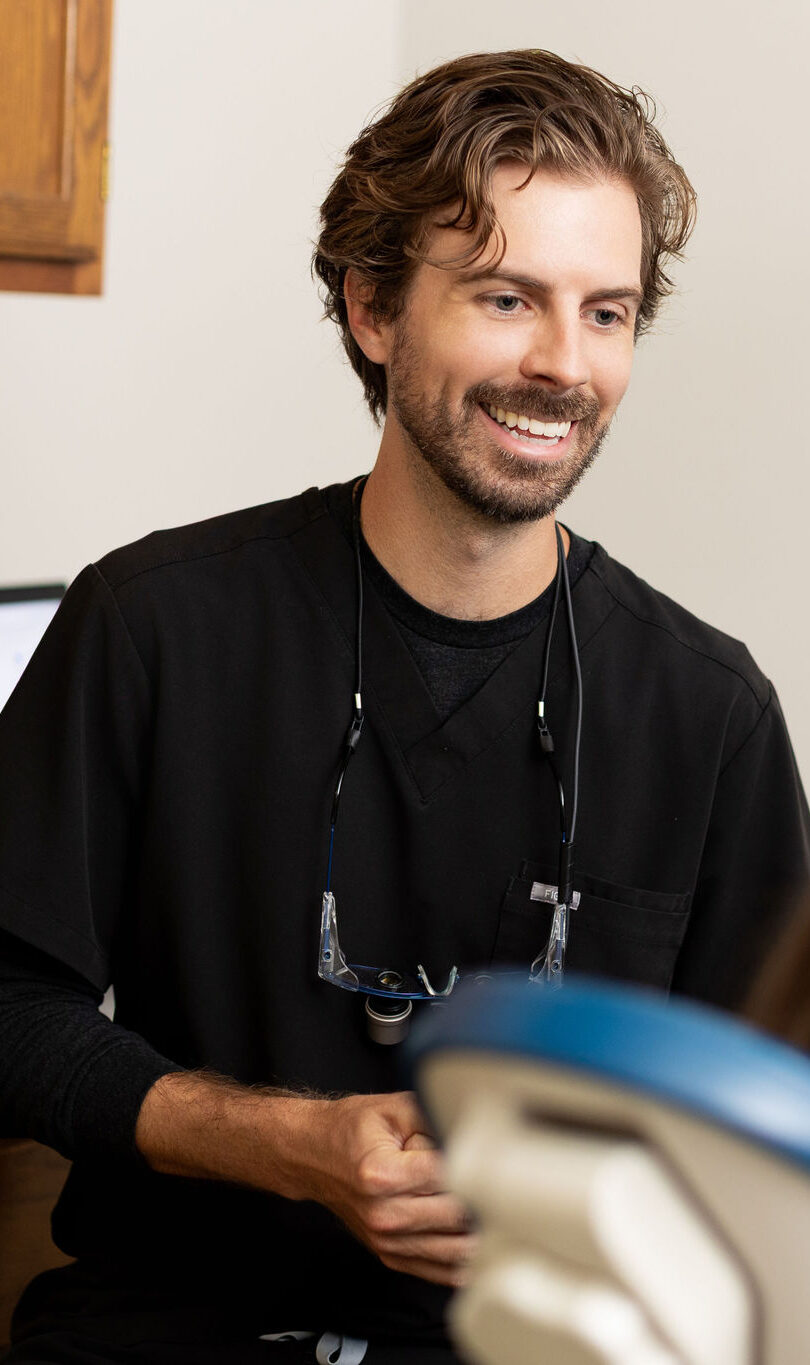
Just as Dr. Pauley approaches his hobbies with careful attention to detail and precision, he brings that same dedication to your dental care. Every procedure follows meticulous protocols to ensure optimal results, whether it’s crafting the perfect crown or achieving the ideal shade for your whitening treatment.
We believe in taking the time to do things right—no shortcuts, no rushed appointments. Dr. Pauley’s background as a Lincoln native who understands the community means that you’re not just another patient; you’re a neighbor and friend deserving of exceptional care.
If you are noticing jaw pain, swelling, or any of the other signs mentioned above, waiting it out rarely makes things easier. An evaluation gives you clarity on what is happening and what your options are, whether that means monitoring the tooth, a straightforward extraction in our office, or a referral for more specialized surgical care. Learn more about Dr. Pauley and his approach to patient-centered care, or explore our full range of oral surgery services to see how we handle more complex cases.
Our Lincoln, NE team is here to make the process as clear and comfortable as possible, from your first exam through recovery. Reach out today through our contact page to schedule your wisdom tooth evaluation and get answers to your questions.

Your opinions are important to us. Whether it is a simple question or a valuable suggestion, we are here 24/7. You can call us by phone or email us directly.
Located within the Trade Center