
Early detection saves lives through comprehensive oral cancer screenings performed during your routine dental visits
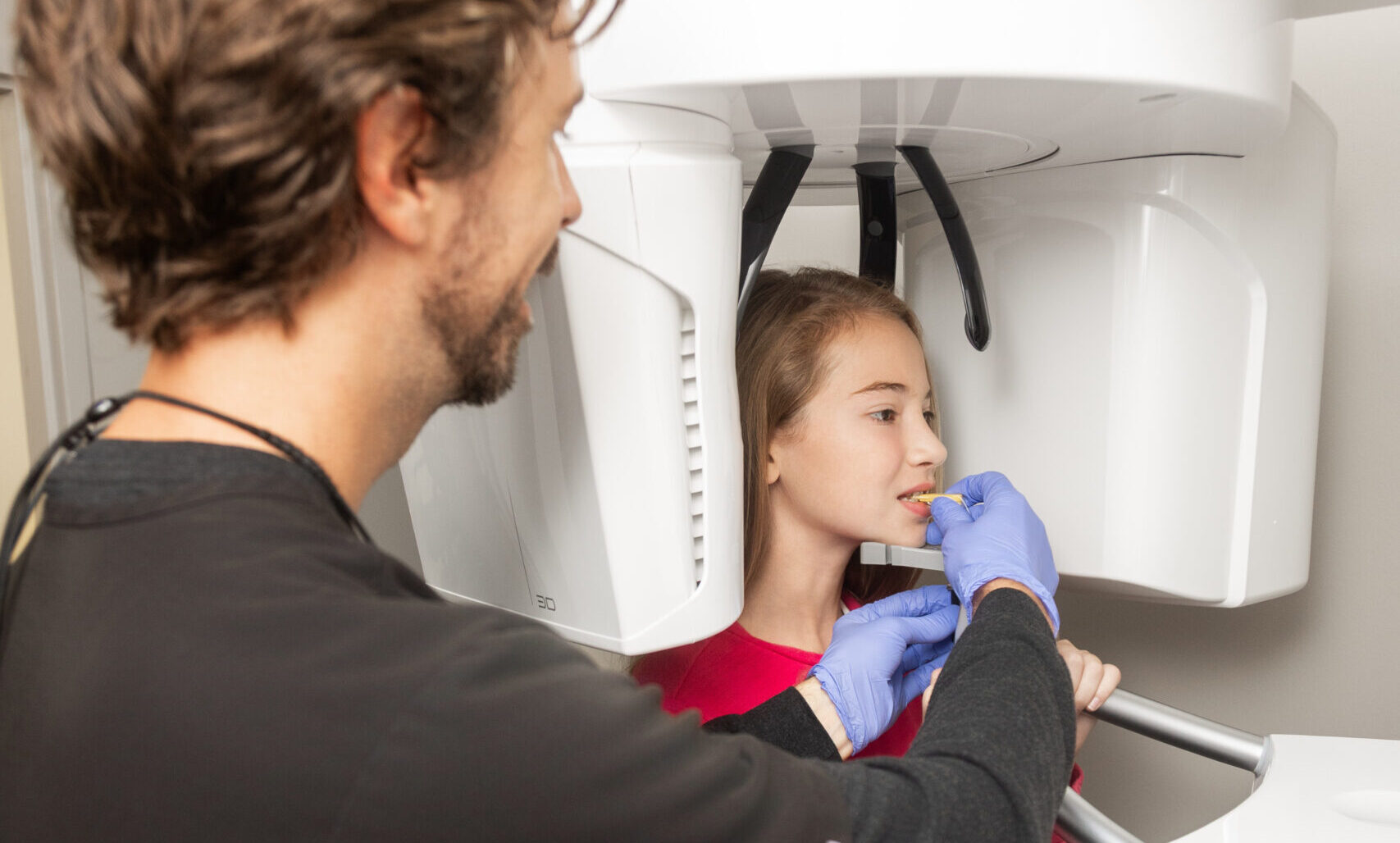

Your oral cancer screening is a comprehensive yet comfortable examination performed as part of your regular dental visit. The visual inspection involves Dr. Pauley carefully examining all visible surfaces inside your mouth, including your tongue (top, bottom, and sides), lips, cheeks, gums, roof and floor of mouth, and throat area. He looks for unusual changes in color, texture, or appearance, such as red or white patches, sores that don’t heal, rough spots, or areas of thickening.
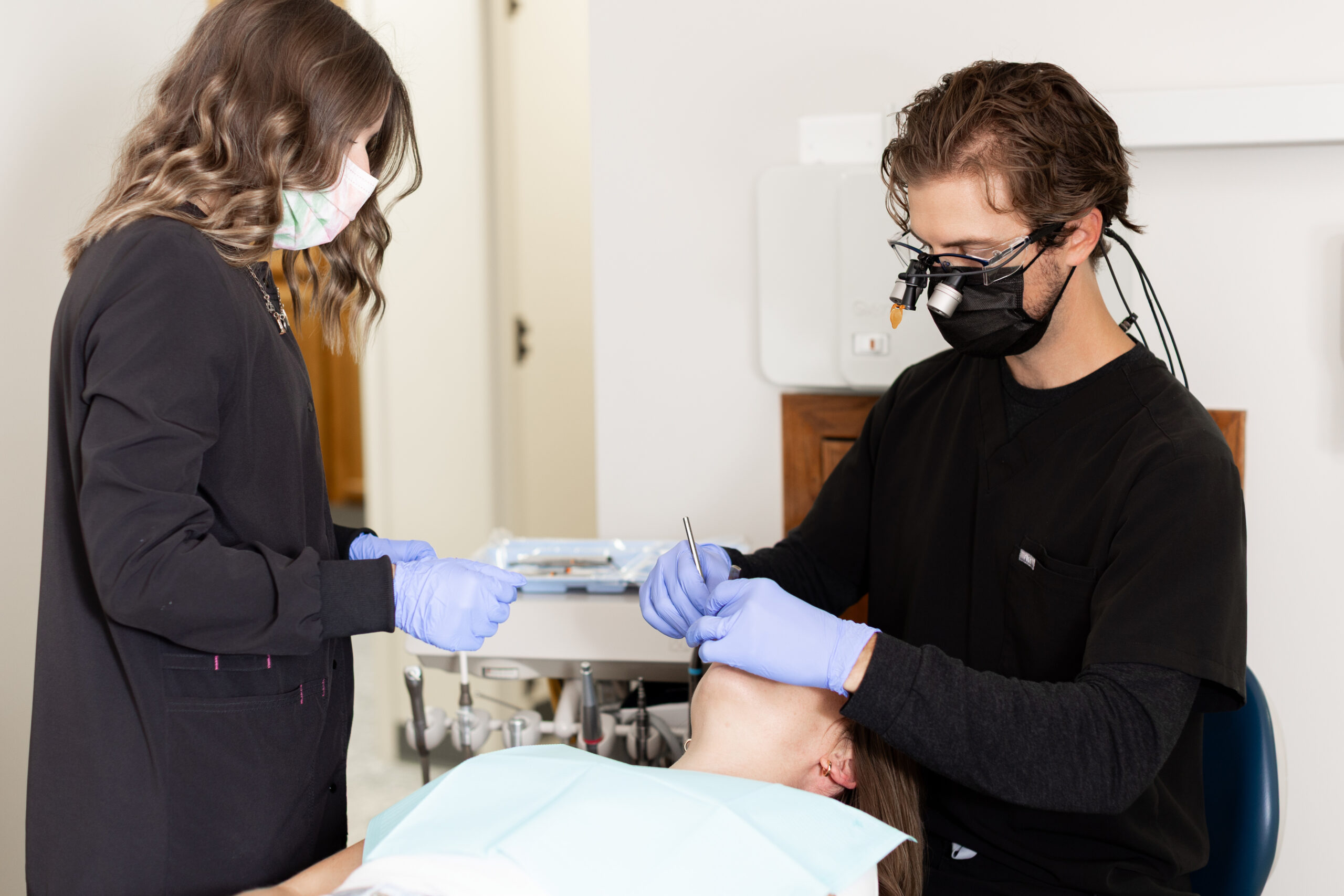
The tactile examination follows the visual inspection, with Dr. Pauley gently feeling areas of your mouth, jaw, and neck to detect any lumps, bumps, or tissue abnormalities not visible to the eye. This palpation checks lymph nodes in your neck, salivary glands, and jaw muscles for swelling or tenderness that might indicate problems. The entire screening process is painless and takes approximately two to three minutes.
If Dr. Pauley identifies any areas of concern during your screening, he discusses findings with you immediately and may recommend monitoring the area for changes, performing additional diagnostic tests, or referring you to an oral surgeon or oncologist for specialist evaluation. Most suspicious findings prove benign, but professional evaluation ensures any serious conditions receive prompt attention when treatment is most effective.
When oral cancer is diagnosed at localized stages before spreading, the five-year survival rate reaches approximately 86%, according to recent medical research. This dramatically higher survival rate compared to late-stage detection demonstrates why regular screenings prove so critical. Early-stage cancers typically require less aggressive treatment, cause fewer complications, and allow patients to maintain better quality of life during and after treatment.
The CDC reports that in 2020, over 45,000 new cases of oral cavity and pharynx cancer were diagnosed in the United States, with nearly 11,000 deaths from this disease. These cancers occur almost three times more often in men than women, though anyone can develop oral cancer regardless of age or gender. Regular professional screenings provide the best opportunity for identifying cancers early when treatment outcomes are most favorable.
Unfortunately, many oral cancers remain asymptomatic in early stages, developing without pain or obvious symptoms that would prompt patients to seek evaluation. By the time symptoms like persistent sores, difficulty swallowing, or chronic throat pain develop, the cancer has often progressed to later stages requiring more extensive treatment. Regular dental visits with oral cancer screenings catch problems before symptoms appear, maximizing treatment success and survival rates.
Tobacco use represents the strongest risk factor for oral and throat cancers, drastically increasing cancer risk regardless of form. Cigarettes, cigars, pipes, chewing tobacco, snuff, and dip all significantly elevate oral cancer risk through direct tissue exposure to carcinogens. Even smokeless tobacco products cause oral cancer, particularly affecting areas where tobacco comes into contact with tissues directly. Quitting tobacco use dramatically reduces your risk, though some elevation persists for years after cessation.
Heavy alcohol consumption increases oral cancer risk substantially, and combining alcohol with tobacco creates synergistic effects where the combined risk exceeds the sum of individual risks. The CDC identifies alcohol as a major contributing factor to head and neck cancers, with risk increasing proportionally to consumption levels. Moderate alcohol intake carries a lower risk than heavy drinking, though avoiding alcohol entirely eliminates this risk factor completely.
Human papillomavirus (HPV) infection, particularly HPV-16, has emerged as a significant cause of oropharyngeal cancers affecting the throat and base of the tongue. HPV-related cancers often affect younger patients without traditional tobacco or alcohol risk factors. Vaccination against HPV before exposure provides protection against these cancers, representing an important preventive measure for adolescents and young adults.
Additional risk factors include prolonged sun exposure to the lips, increasing skin cancer risk in this area, age over 40 when oral cancer incidence rises significantly, family history of cancer suggesting genetic predisposition, and weakened immune systems that reduce the body’s ability to fight abnormal cell growth. Having one or more risk factors doesn’t guarantee cancer development, but does warrant particularly vigilant screening and self-monitoring.
Between professional screenings, remain alert for changes in your mouth that persist beyond two weeks. Sores or ulcers that don’t heal within normal timeframes warrant professional evaluation, as do persistent lumps or thick areas in oral tissues. White or red patches on your tongue, gums, or other oral surfaces sometimes indicate precancerous changes requiring monitoring or treatment.
Difficulty swallowing, persistent sore throat, or feeling that something is stuck in your throat can signal problems requiring examination. Changes in your voice, chronic hoarseness, or ear pain on one side might indicate cancers affecting throat structures. Numbness anywhere in your mouth or on your lips deserves attention, as does any growth or mass you notice developing.
If you experience any of these symptoms, contact our office promptly for evaluation. Most concerning changes prove benign, but early professional assessment ensures serious conditions receive timely treatment. Don’t wait for symptoms to worsen or resolve on their own, as oral cancers often progress silently without causing significant discomfort until reaching advanced stages.
Oral cancer screenings integrate seamlessly into your routine dental exams and cleanings, requiring no additional appointments or special preparation. Most dental insurance plans cover preventive services, including oral cancer screenings at 100%, making this life-saving examination accessible without out-of-pocket costs. For patients without insurance, our membership plan includes comprehensive preventive care with oral cancer screenings.
The convenience of receiving oral cancer screenings during regular dental visits removes barriers that might otherwise prevent this important early detection. You don’t need to schedule separate medical appointments or remember additional preventive health tasks. Simply maintaining your recommended dental visit schedule ensures you receive regular oral cancer screenings that could detect problems early when treatment is most successful.
Research published in medical literature demonstrates that individuals who visit dentists regularly are less likely to receive oral cancer diagnoses, and when cancers are detected, regular dental patients tend to have earlier-stage disease with better treatment outcomes. This protective effect stems from frequent professional examinations that identify suspicious changes promptly, enabling intervention before cancers progress to advanced stages.
The screening includes a comprehensive visual and physical examination of your mouth, tongue, lips, cheeks, throat, and neck. Dr. Pauley looks for unusual changes in color, texture, or consistency of tissues and checks for any lumps, bumps, or abnormalities that may require further evaluation.
Oral cancer screenings are performed as part of every comprehensive dental examination, typically every six months. However, Dr. Pauley may recommend more frequent screenings for patients with higher risk factors such as tobacco use, heavy alcohol consumption, or previous oral cancer history.
Risk factors include tobacco use, heavy alcohol consumption, prolonged sun exposure to the lips, human papillomavirus infection, age over 40, and family history of cancer. However, oral cancer can affect anyone, making regular screenings important for all patients regardless of risk factors.
If Dr. Pauley identifies any areas of concern during your screening, he will discuss the findings with you and may recommend monitoring the area or referring you to an oral surgeon or oncologist for further evaluation. Most suspicious areas turn out to be benign, but early professional evaluation is always recommended.
Oral cancer screenings are completely comfortable and non-invasive. The examination involves gentle visual inspection and light palpation of tissues, similar to other routine parts of your dental examination. The entire screening takes just a few minutes and requires no special preparation.
While not all oral cancers are preventable, you can significantly reduce your risk by avoiding tobacco products, limiting alcohol consumption, protecting your lips from sun exposure, maintaining good oral hygiene, and having regular dental visits that include oral cancer screenings for early detection.
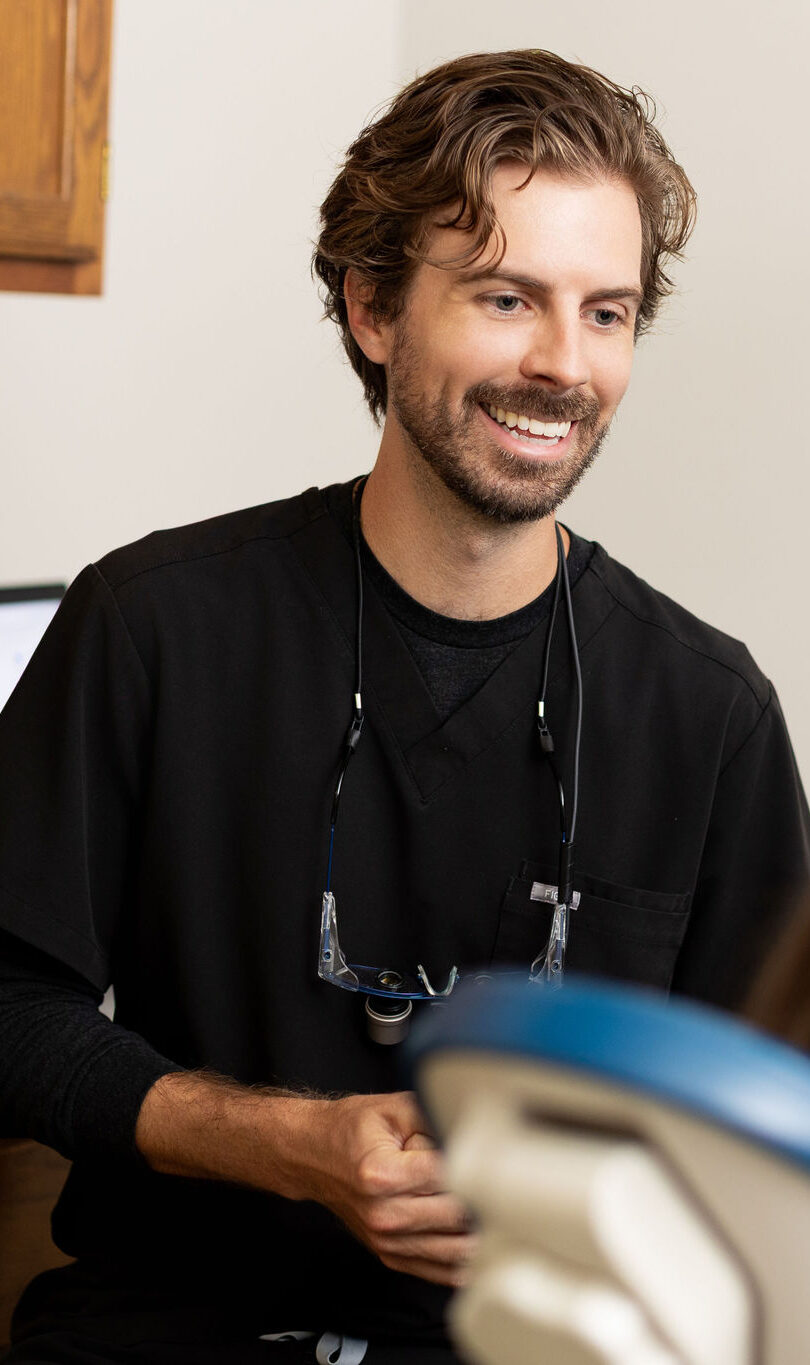
Just as Dr. Pauley approaches his hobbies with careful attention to detail and precision, he brings that same dedication to your dental care. Every procedure follows meticulous protocols to ensure optimal results, whether it’s crafting the perfect crown or achieving the ideal shade for your whitening treatment.
We believe in taking the time to do things right—no shortcuts, no rushed appointments. Dr. Pauley’s background as a Lincoln native who understands the community means that you’re not just another patient; you’re a neighbor and friend deserving of exceptional care.
Protect your health with comprehensive oral cancer screenings as part of your routine dental care. Dr. Pauley’s thorough approach to oral tissue examination ensures that any concerning changes are identified early when treatment is most effective. We’ll make this important screening a comfortable part of your regular dental visits.

Your opinions are important to us. Whether it is a simple question or a valuable suggestion, we are here 24/7. You can call us by phone or email us directly.
Located within the Trade Center