
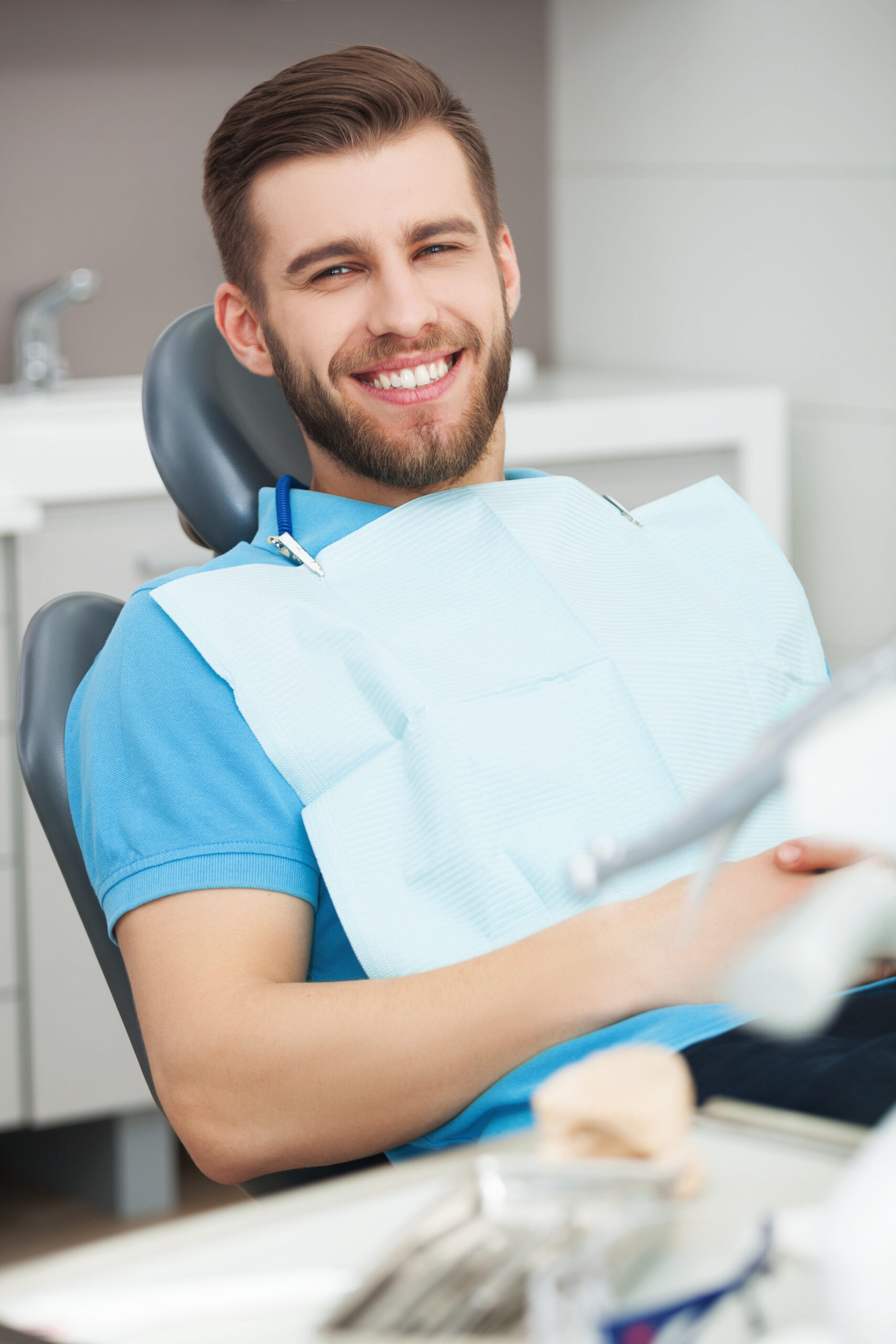
Minor chips, gaps, or stains on your front teeth can diminish your smile’s appearance and make you reluctant to show your teeth in photographs or social situations. While these imperfections rarely cause functional problems, they can significantly impact your self-confidence and how you present yourself to others in both personal and professional settings.
Cosmetic dentistry at Pauley Family Dentistry provides Lincoln patients with composite bonding as a conservative solution for enhancing smiles. Dr. Pauley applies tooth-colored resin material directly to teeth, sculpting and polishing it to create natural-looking repairs that blend seamlessly with your smile. His meticulous approach and artistic sensibility ensure results that improve your appearance while preserving your healthy tooth structure.

Composite bonding uses tooth-colored resin materials that dentists apply directly to teeth to repair damage or improve appearance. The composite consists of a plastic matrix reinforced with tiny glass particles that provide strength and durability while maintaining a natural translucency similar to tooth enamel. According to research published by the National Institutes of Health, resin composite restorations bond directly to tooth structure and offer patients durable, natural-looking solutions that have revolutionized modern dental practices.
Dentists can shade-match the composite material to blend perfectly with your surrounding teeth, making repairs virtually invisible. The resin comes in various opacities and colors that allow your dentist to recreate the subtle variations found in natural teeth, from the translucent edges to the more opaque areas near the gum line. This customization capability makes composite bonding an excellent choice for visible front teeth where aesthetics matter most.
Composite bonding stands apart from other cosmetic procedures through its conservative approach to tooth preparation. Unlike porcelain veneers that require removing significant amounts of tooth enamel, bonding typically needs little to no tooth reduction. Your dentist simply roughens the tooth surface slightly to help the resin adhere, preserving your natural tooth structure while achieving dramatic aesthetic improvements. The reversible nature of composite bonding provides another key advantage. If you later decide to pursue different cosmetic treatments like veneers or crowns, your dentist can easily remove the bonded composite without affecting your underlying tooth structure. This flexibility makes bonding an ideal option for patients who want to test cosmetic changes before committing to more permanent alterations, or for younger patients whose teeth and gums have not finished developing.
Creating beautiful bonded restorations requires both technical skill and artistic vision. During your appointment, Dr. Pauley examines your teeth and discusses your goals to ensure bonding will achieve the results you want. He selects composite resin shades that match your natural tooth color, often using multiple shades to recreate the subtle color variations that make teeth look realistic rather than artificial.
The bonding process begins with minimal tooth preparation. Your dentist gently roughens the tooth surface and applies a conditioning liquid that helps the composite material adhere. The putty-like resin is then carefully applied to your tooth, where Dr. Pauley sculpts it into the desired shape. Multiple layers may be applied to achieve proper contour and translucency, with each layer hardened using a special curing light before adding the next.
After shaping the composite to match your other teeth, Dr. Pauley refines the contours and polishes the surface to create a smooth, lustrous finish. Proper polishing prevents staining and makes the bonded area feel just like your natural teeth. The entire process typically takes 30 to 60 minutes per tooth, with most patients leaving the office the same day with their completed restoration ready for normal use.
Dentists recommend composite bonding for various cosmetic and restorative purposes. The treatment works exceptionally well for repairing chipped or cracked teeth, particularly when the damage affects only a small portion of the tooth. Bonding can rebuild broken edges, fill in chips, and smooth rough areas to restore your tooth’s original appearance and protect the exposed area from further damage.
Closing small gaps between teeth represents another popular application. Rather than undergoing orthodontic treatment to move teeth together, bonding adds material to the sides of teeth to eliminate spaces and create a more uniform smile. The procedure also effectively covers stubborn stains that do not respond to professional teeth whitening, such as discoloration from medications or fluorosis.
Composite bonding allows dentists to alter the shape and size of teeth that appear too short, too long, or irregularly shaped. Your dentist can lengthen worn teeth, round out sharp corners, or create more symmetrical proportions between teeth. These subtle changes often produce dramatic improvements in smile aesthetics without requiring extensive dental work. Patients seeking more comprehensive smile transformations may combine bonding with other treatments offered at the practice to achieve their ideal results.
Composite bonding requires the same basic oral hygiene as your natural teeth. Brushing twice daily with a soft-bristled toothbrush and non-abrasive toothpaste removes plaque and prevents staining. Daily flossing cleans between bonded teeth and your gums, areas where your toothbrush cannot reach. Regular preventive care appointments allow your hygienist to professionally clean and polish your bonded teeth while monitoring them for wear or damage.
The composite material can stain over time from exposure to coffee, tea, red wine, and tobacco products. Limiting consumption of staining substances and rinsing your mouth with water after consuming them helps maintain the bonding’s original color. While composite resin resists staining better than natural tooth enamel initially, it becomes more susceptible to discoloration as it ages, particularly if you neglect proper oral hygiene.
Composite bonding typically lasts three to ten years before requiring repair or replacement, though longevity varies based on several factors. The location of the bonding affects durability, with front teeth experiencing less stress than back teeth during chewing. Your oral habits also play a role, as patients who grind their teeth, bite their nails, or use their teeth as tools to open packages wear down bonding faster than those who avoid these behaviors.
Proper maintenance extends the life of your bonded restorations significantly. Following these care guidelines helps your bonding last as long as possible:
When bonded restorations eventually wear down or become discolored, your dentist can often refresh them by adding new composite or replacing the old material entirely. This maintenance approach allows you to enjoy the benefits of bonding for many years while keeping your smile looking its best.
Patients often wonder how composite bonding compares to other cosmetic options. Porcelain veneers offer superior stain resistance and longevity compared to bonding, typically lasting 10 to 15 years or longer. However, veneers require removing tooth enamel permanently and cost significantly more than composite bonding. The irreversible nature of veneers makes bonding a better choice for patients who want conservative treatment or prefer to test cosmetic changes before committing to permanent alterations.
Professional teeth whitening addresses overall tooth discoloration for patients whose teeth have good shape and alignment but simply need brightening. Laser dentistry techniques can reshape gum tissue when teeth appear too short or the gum line looks uneven. For more extensive smile transformations involving multiple aesthetic concerns, Dr. Pauley may recommend combining several treatments to achieve optimal results that meet your goals and budget.
Dr. Pauley brings exceptional skill and attention to detail to every bonding procedure he performs. As a Lincoln native who earned his Doctor of Dental Surgery degree from the University of Nebraska Medical Center College of Dentistry, he understands the importance of creating results that look natural and enhance your confidence. His purchase of Pauley Family Dentistry in October 2023 reflects his commitment to serving the community where he grew up, and his investment in modern materials and techniques ensures patients receive the highest quality cosmetic care available today.
Whether you need to repair a single chipped tooth or want to transform your entire smile, composite bonding provides a versatile, conservative solution that delivers beautiful results while preserving your natural tooth structure. Contact our office today to schedule your consultation and discover how composite bonding can help you achieve the confident smile you deserve.
We look forward to welcoming you to the Pauley Family Dentistry family. Contact us today to schedule your first appointment.
Your opinions are important to us. Whether it is a simple question or a valuable suggestion, we are here 24/7. You can call us by phone or email us directly.
Located within the Trade Center