
Experienced, compassionate root canal therapy in South Lincoln, NE — because saving your natural tooth should never feel intimidating.
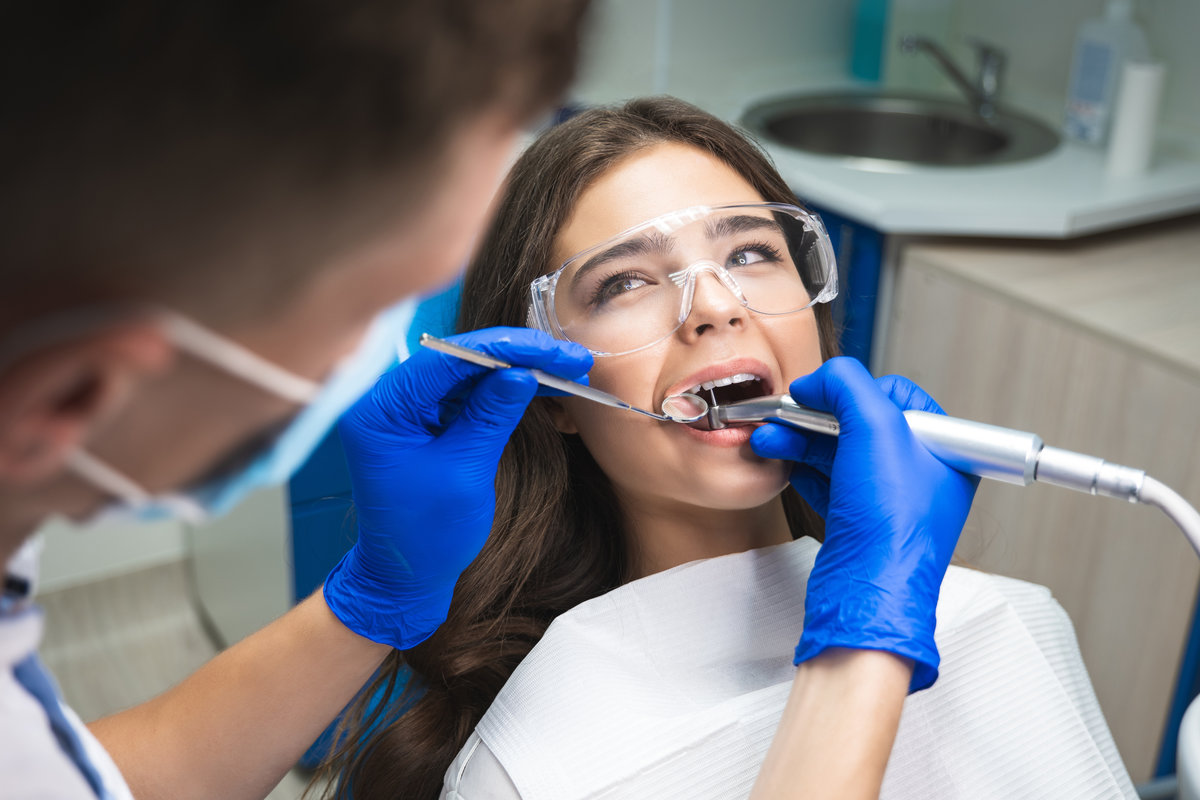

The words “root canal” often trigger anxiety in dental patients, conjuring images of painful procedures and lengthy appointments. If your dentist has mentioned you might need root canal therapy, you are likely experiencing significant tooth pain while simultaneously worrying about what the treatment involves. The truth is root canals have developed an undeserved reputation over the years, and modern endodontic techniques have transformed this procedure into a comfortable, predictable solution that saves teeth and eliminates pain rather than causing it. This page is intended to serve as a general educational resource to help you understand what root canal therapy is, why it may be recommended, and what to expect if your dentist refers you to a specialist.
At Pauley Family Dentistry, Dr. Pauley takes a thorough, patient-centered approach to diagnosing and monitoring tooth pain and pulp-related issues. Because root canal therapy is a specialized endodontic procedure, we often refer patients to a trusted endodontist to ensure the highest level of care. Our role in the process is to evaluate your symptoms using advanced digital X-ray technology, discuss your options with you, and connect you with the right provider when treatment is needed. Our Lincoln restorative dentistry services also support post-treatment care, such as placing a dental crown on a tooth that has undergone root canal therapy. If you are experiencing a dental emergency with severe pain, contact our office right away.

Root canal therapy addresses infection or inflammation in the tooth’s pulp, the soft tissue inside the tooth containing nerves, blood vessels, and connective tissue. When deep decay, cracks, chips, or trauma allow bacteria to reach the pulp, infection can develop, causing severe pain, sensitivity, and potentially dangerous abscesses. Without treatment, the infection can spread, ultimately affecting surrounding teeth and bone.
The procedure itself involves removing infected or inflamed pulp, thoroughly cleaning and disinfecting the interior of the tooth, then filling and sealing the space to prevent reinfection. According to the American Association of Endodontists, endodontists are dental providers with two or more years of advanced training beyond dental school who focus on diagnosing tooth pain and treating the inside of the tooth. This level of focused training is why many general dentists, including our team, refer patients to an endodontist for this procedure. For patients who feel anxious about dental procedures, we offer sedation dentistry options to help you feel comfortable during evaluations and follow-up visits.
Recognizing the symptoms indicating a potential need for root canal therapy helps you seek evaluation promptly, before infection worsens or spreads. These warning signs are important to understand so you can communicate clearly with your dental provider. Common symptoms include the following:
These symptoms often develop alongside each other, though some infected teeth show minimal discomfort despite serious underlying problems. If you notice any of these warning signs, it is important to schedule an evaluation with your dentist as soon as possible.
While we often refer our patients to a provider when it comes to root canal therapy, we still go above and beyond to ensure the referral process is a smooth one.
When you come in with symptoms suggesting pulp infection or damage, we will conduct a thorough examination using digital X-rays and clinical assessment to understand the extent of the issue. Based on that evaluation, we will discuss findings with you and, when appropriate, provide a referral to a qualified endodontist in the Lincoln area.
An endodontist will perform the root canal procedure itself, which typically involves numbing the affected tooth, removing the infected pulp tissue, cleaning and shaping the interior canals, and sealing the tooth. The procedure is performed under local anesthesia and is generally comparable in comfort to receiving a standard dental filling. Most patients return to normal activities the following day.
After the root canal is completed by the endodontist, you will return to our office for the final restoration. A dental crown is typically recommended following root canal therapy to protect the treated tooth, restore its function, and prevent fracture. Our dental crowns service is a natural continuation of your care once the endodontic treatment is complete.
Understanding why root canal therapy is often recommended over extraction can help frame the importance of pursuing treatment when it is needed.
Preserving your natural tooth maintains the integrity of your jawbone, prevents neighboring teeth from shifting out of position, and protects your natural bite alignment. Natural teeth provide better function and sensation than any artificial replacement. In cases where a tooth does need to be extracted, options like dental bridges are available to restore function and appearance.
The cost-effectiveness of root canal therapy becomes clearer when compared to extraction followed by implant placement or bridge work. While the investment in root canal treatment and crown restoration may seem substantial upfront, it typically costs less over time than extraction plus replacement. More importantly, preserving the natural tooth avoids the long-term complications associated with tooth loss.
In some cases, alternative treatments may be appropriate depending on the extent of damage and your specific situation. For teeth with early pulp inflammation that has not progressed to irreversible damage, pulp capping procedures may preserve the tooth’s vitality while addressing the problem more conservatively. This approach works best when infection has not spread throughout the pulp chamber.
When root canal therapy is not viable due to extensive structural damage, severe fractures, or other complications, extraction may become necessary. Tooth extraction creates the need for replacement options like dentures or bridges to maintain proper bite function and prevent remaining teeth from shifting. We thoroughly evaluate all options with you, explaining the pros and cons of each approach so you can make an informed decision about your oral health.
Modern root canal therapy is performed under local anesthesia and is generally comparable in comfort to receiving a standard dental filling. The procedure actually eliminates the pain caused by the infected pulp. Most patients report that the discomfort leading up to the root canal was far worse than the treatment itself. For patients who feel anxious, we offer sedation dentistry options.
A root canal on an anterior (front) tooth typically takes 60 to 90 minutes in a single appointment. More complex cases involving molars with multiple roots may require additional time or a second visit. The endodontist your dentist refers you to will provide a specific time estimate based on your tooth’s anatomy and the extent of infection.
In most cases, yes. A dental crown is typically recommended after root canal therapy to protect the treated tooth, restore its function, and prevent fracture. After your root canal is completed by the endodontist, you will return to Pauley Family Dentistry for the crown restoration.
Common signs include severe or persistent tooth pain, prolonged sensitivity to hot or cold temperatures, darkening or discoloration of a tooth, swelling and tenderness in nearby gums, a pimple-like bump on the gums, or pain when chewing. If you experience any of these symptoms, schedule an evaluation at our Lincoln office promptly.
While uncommon, reinfection can occur if the original seal breaks down, new decay develops around the restoration, or the tooth sustains a fracture. Attending regular exams and cleanings allows Dr. Pauley to monitor treated teeth and catch any issues early before they become serious.
Without treatment, the infection inside the tooth will continue to spread, potentially causing an abscess, bone loss, and damage to surrounding teeth. In many cases, delaying treatment means the tooth cannot be saved and extraction becomes necessary. Early treatment gives you the best chance of preserving your natural tooth.

Just as Dr. Pauley approaches his hobbies with careful attention to detail and precision, he brings that same dedication to your dental care. Every procedure follows meticulous protocols to ensure optimal results, whether it’s crafting the perfect crown or achieving the ideal shade for your whitening treatment.
We believe in taking the time to do things right—no shortcuts, no rushed appointments. Dr. Pauley’s background as a Lincoln native who understands the community means that you’re not just another patient; you’re a neighbor and friend deserving of exceptional care.
Experiencing tooth pain or concerned you may need root canal therapy? At Pauley Family Dentistry, Dr. Pauley will carefully evaluate your symptoms, walk you through your options, and connect you with a trusted provider if endodontic treatment is the right path forward. Our goal is to make sure you feel informed and supported every step of the way, from your initial exam to your final restoration.
We are here to be your partner in care throughout the entire process. Whether that means diagnosing the source of your discomfort, coordinating your referral, or restoring your tooth with a crown after treatment is complete, our team is committed to your long-term oral health. Contact our Lincoln office today to schedule an evaluation and take the first step toward relief.

Your opinions are important to us. Whether it is a simple question or a valuable suggestion, we are here 24/7. You can call us by phone or email us directly.
Located within the Trade Center