
Your smile deserves to shine. At our South Lincoln, NE dental office, professional teeth whitening treatments are safe, effective, and tailored to your sensitivity and whitening goals — delivering a noticeably brighter smile without the guesswork of over-the-counter products.

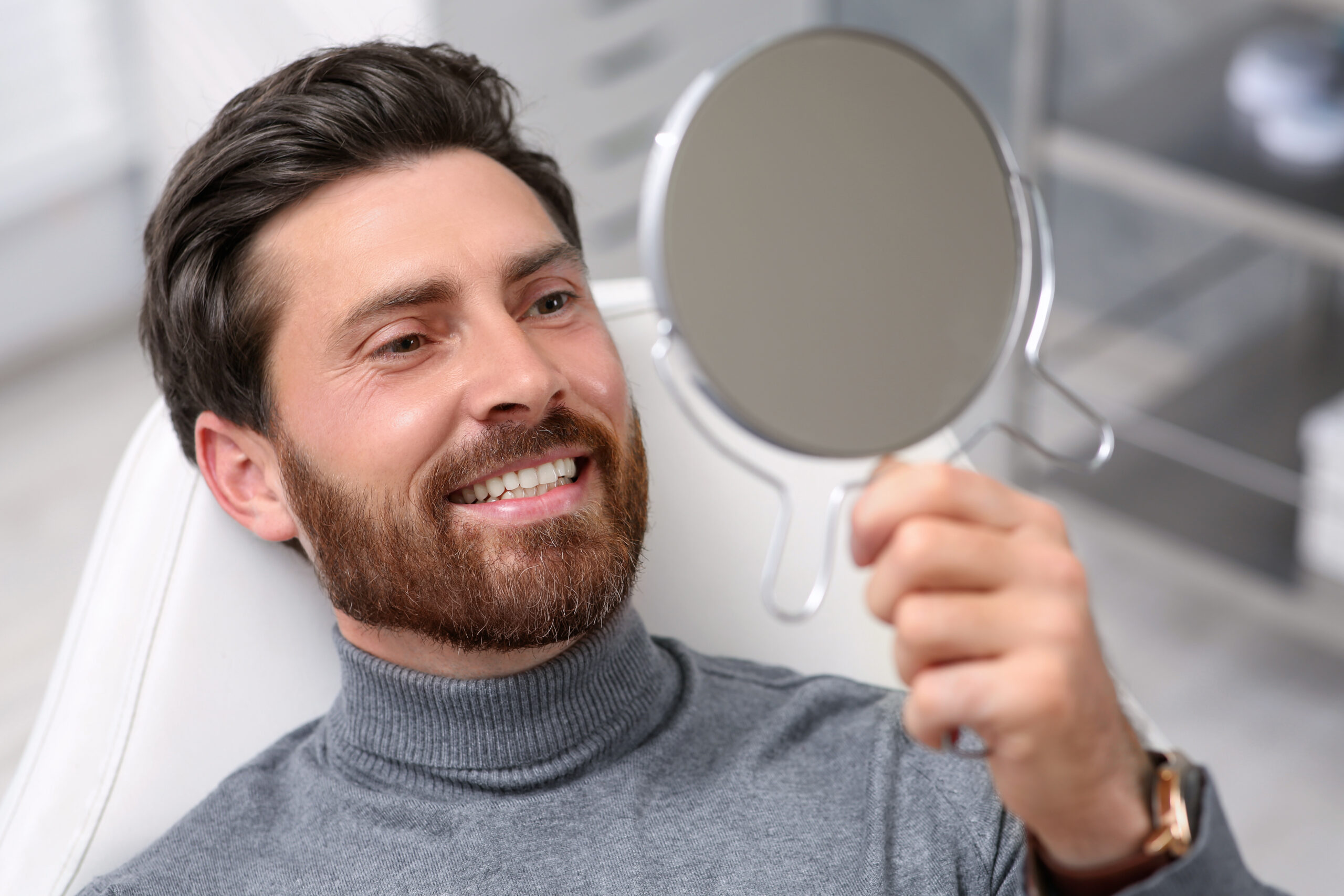
Your smile creates first impressions in professional meetings, social gatherings, and everyday interactions that shape how others perceive you. Discolored or stained teeth can diminish your confidence and make you self-conscious about smiling, even though your teeth remain healthy and functional in every other way.
Professional teeth whitening as a part of our cosmetic dentistry services offers Lincoln residents a safe, effective solution for brightening their smiles. Dr. Pauley combines his technical knowledge with an understanding of each patient’s aesthetic goals to deliver natural-looking results that enhance confidence without creating an artificial appearance. His commitment to personalized care means taking the time to explain your options and create a whitening plan that fits your lifestyle and budget.

Teeth whitening uses peroxide-based compounds to break down stains and discolorations that accumulate on and within tooth enamel over time. According to research published by the National Institutes of Health, hydrogen peroxide and carbamide peroxide teeth whitening treatments prove safe and effective when protocols are followed correctly. The peroxide releases oxygen molecules that penetrate tooth enamel and react with the colored compounds responsible for staining, transforming them into lighter, less visible substances.
Professional whitening treatments deliver higher concentrations of active ingredients than over-the-counter products, producing more dramatic results in shorter timeframes. Dentists can safely use formulations containing 15 to 40 percent hydrogen peroxide or equivalent concentrations of carbamide peroxide, while store-bought products typically contain only three to ten percent. This difference in strength explains why professional treatments can lighten teeth several shades in a single visit, while at-home products require weeks of daily use to achieve similar outcomes.
Professional teeth whitening comes in two primary forms, each with distinct advantages. In-office whitening delivers immediate, dramatic results through a single appointment lasting 60 to 90 minutes. Your dentist applies a protective barrier to your gums and soft tissues before coating your teeth with a high-concentration bleaching gel. The treatment often includes special lights designed to accelerate the whitening process.
Take-home whitening systems prescribed by your dentist offer a more gradual approach that allows you to whiten teeth on your own schedule. These kits include custom-fitted trays that hold bleaching gel against your teeth for specified periods, typically two to four hours daily or overnight. The custom trays ensure even coverage and prevent the gel from contacting gums, reducing irritation compared to one-size-fits-all strips or trays from drugstores.
Tooth sensitivity represents the most common side effect patients experience during whitening treatments. The peroxide compounds temporarily increase tooth permeability, allowing hot and cold temperatures to reach nerve endings more easily. Most patients describe the sensitivity as mild to moderate discomfort that appears during treatment and resolves within a few days after completing the whitening process.
Several strategies minimize sensitivity concerns during whitening. Professional care reduces risks through proper protocols and monitoring:
Managing expectations helps patients achieve satisfying results. Most people experience noticeable whitening within days of starting treatment, with final results appearing after completing the full prescribed regimen.
Teeth whitening results last longest when you adopt habits that prevent new stains from forming. Your whitened teeth remain susceptible to the same staining factors that caused discoloration originally, so lifestyle choices significantly impact how long your bright smile persists. Most patients enjoy their whitening results for six months to two years before considering touch-up treatments, though individual experiences vary based on diet and oral hygiene practices.
Daily brushing with whitening toothpaste helps remove surface stains before they penetrate enamel. Flossing prevents staining between teeth where brushing cannot reach. Regular preventive care appointments allow your hygienist to remove stubborn stains and polish teeth to maintain their brightness. Limiting consumption of staining substances like coffee, tea, and red wine preserves whitening results, though you need not eliminate these beverages entirely if you rinse your mouth with water after consuming them.
Most adults with healthy teeth and gums qualify as excellent candidates for professional whitening. The ideal patient has yellowed teeth from aging or dietary staining rather than gray discoloration from medications or trauma. Your dentist evaluates your oral health during a consultation to determine whether whitening suits your situation or whether alternative treatments would serve you better.
Certain conditions may complicate whitening treatment. Teeth with existing restorations like crowns, bridges, or fillings do not respond to whitening agents, potentially creating uneven coloring if only natural teeth lighten. Patients with severe tooth decay, gum disease, or exposed roots should address these conditions before pursuing cosmetic whitening. Pregnant or nursing women typically postpone whitening as a precautionary measure.
Professional whitening delivers dramatically stronger results because dentists use higher concentrations of peroxide (15 to 40 percent) than over-the-counter products (three to ten percent). Custom-fitted trays ensure even coverage and protect your gums, and Dr. Pauley can adjust the treatment to your sensitivity level and whitening goals.
Most patients enjoy their whitening results for six months to two years, depending on diet and oral hygiene habits. Avoiding tobacco products and limiting staining beverages like coffee, tea, and red wine helps extend results. Touch-up treatments can restore brightness as needed.
Temporary tooth sensitivity is the most common side effect and typically resolves within a few days after completing treatment. Dr. Pauley can use desensitizing agents, adjust peroxide concentrations, or recommend a gradual take-home approach to minimize discomfort for patients with sensitive teeth.
Most adults with healthy teeth and gums are good candidates for professional whitening. Teeth that are yellowed from aging or dietary staining respond best to treatment. Dr. Pauley will evaluate your oral health during a consultation to determine whether whitening or an alternative cosmetic treatment is the best option for you.
In-office whitening typically takes 60 to 90 minutes in a single appointment and delivers immediate results. Take-home whitening involves wearing custom trays for two to four hours daily or overnight for one to two weeks, offering a more gradual approach that fits your schedule.

Just as Dr. Pauley approaches his hobbies with careful attention to detail and precision, he brings that same dedication to your dental care. Every procedure follows meticulous protocols to ensure optimal results, whether it’s crafting the perfect crown or achieving the ideal shade for your whitening treatment.
We believe in taking the time to do things right—no shortcuts, no rushed appointments. Dr. Pauley’s background as a Lincoln native who understands the community means that you’re not just another patient; you’re a neighbor and friend deserving of exceptional care.
Dr. Pauley approaches teeth whitening with the same meticulous attention to detail he brings to all aspects of dental care. As a Lincoln native, he has invested in modern whitening technologies while maintaining the personalized approach that defines quality dental care. His philosophy emphasizes achieving natural-looking results that enhance your appearance without creating an obviously artificial smile. The practice environment reflects this commitment to thoughtful, unhurried care that prioritizes your comfort and satisfaction throughout the whitening process.
If you feel self-conscious about discolored teeth or simply want to refresh your smile’s appearance, professional whitening provides a conservative solution that preserves your natural tooth structure while delivering dramatic aesthetic improvements. Contact our office today to schedule your whitening consultation. For patients who feel anxious about dental visits, we offer sedation dentistry options to help you feel relaxed and comfortable.

Your opinions are important to us. Whether it is a simple question or a valuable suggestion, we are here 24/7. You can call us by phone or email us directly.
Located within the Trade Center