
Restore your smile in function and beauty with custom-crafted dental bridges designed for lasting comfort

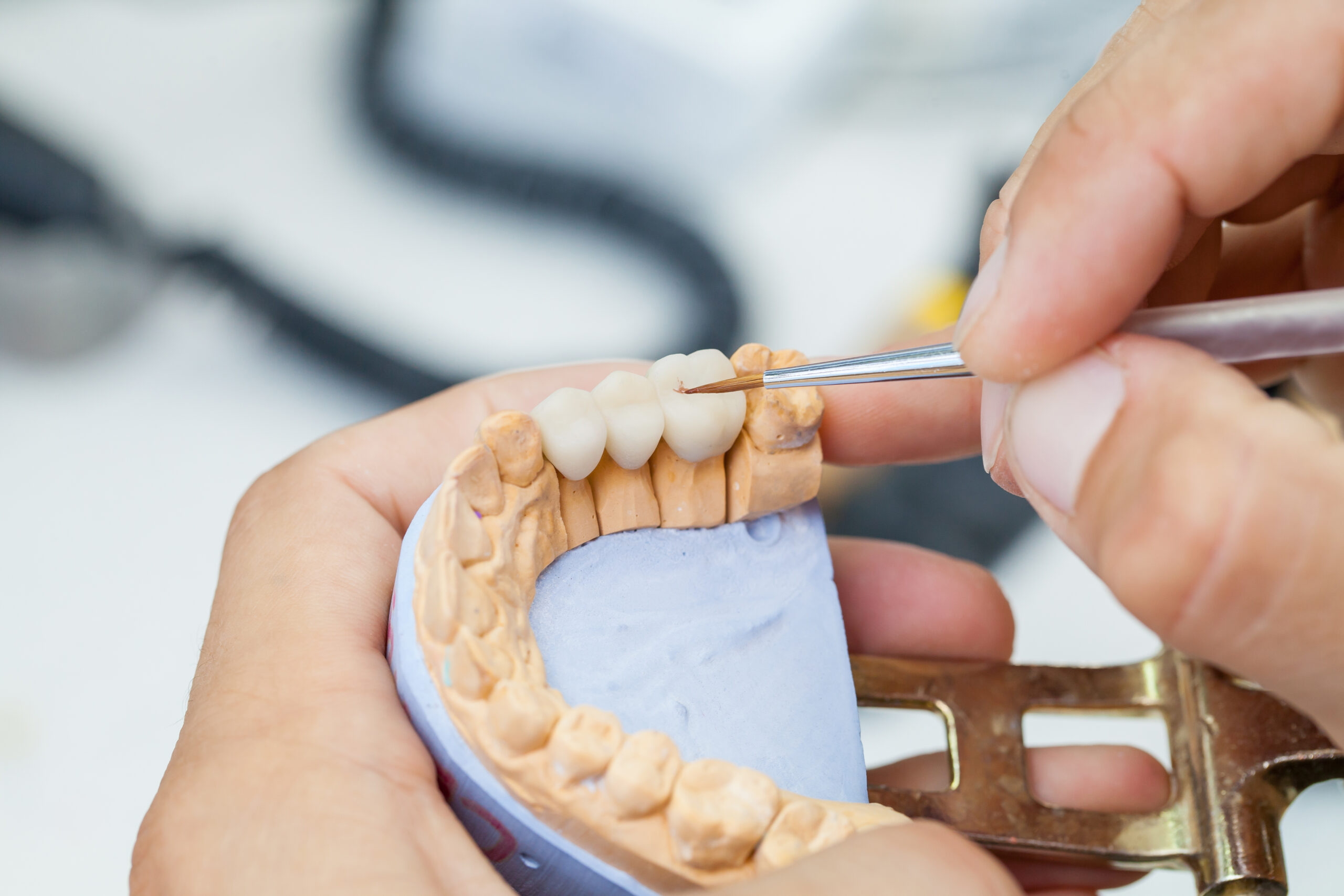
Dental bridges replace missing teeth by anchoring artificial teeth to adjacent natural teeth or dental implants. The restoration consists of one or more pontics (artificial replacement teeth) fused between abutment crowns that fit over supporting teeth on either side of the gap. This creates a literal bridge across the empty space, filling it with teeth that function and appear like your natural ones.
Restorative dentistry offers multiple tooth replacement options, and bridges provide particular advantages for certain situations. Unlike removable partial dentures, bridges remain permanently cemented in your mouth, eliminating concerns about appliances slipping or requiring removal for cleaning. Compared to dental implants, bridges typically cost less and require no surgical placement, making them accessible for patients who prefer avoiding surgery or cannot undergo implant procedures due to medical conditions.
Research published by the National Institutes of Health examining dental bridge longevity found that with adequate care, fixed dental bridges demonstrate good durability, though failure rates increase with time. This research emphasizes the importance of proper maintenance and regular professional monitoring to maximize bridge lifespan and protect supporting teeth from complications.

Your bridge journey begins with a comprehensive evaluation of your oral health, bite relationship, and tooth replacement needs. Dr. Pauley examines adjacent teeth to ensure they can adequately support the bridge, assesses your bite to determine optimal restoration design, and discusses your aesthetic preferences. Digital radiography reveals bone levels and tooth root conditions that influence treatment planning.
During the first appointment, Dr. Pauley prepares abutment teeth by carefully reshaping them to accommodate crowns. This preparation removes a controlled amount of enamel, creating space for crown placement while maintaining adequate tooth structure for long-term support. Precise impressions capture the exact dimensions and relationships of prepared teeth, surrounding tissues, and opposing teeth. These impressions guide laboratory fabrication of your custom bridge.
A temporary bridge protects prepared teeth and maintains aesthetics while your permanent restoration is being crafted. This temporary appliance allows you to eat and speak normally, though you should avoid very hard or sticky foods that might dislodge it. The temporary phase typically lasts two to three weeks, giving laboratory technicians time to create your permanent bridge with meticulous attention to fit, function, and appearance.
The final appointment involves removing your temporary bridge, thoroughly cleaning prepared teeth, and carefully fitting your permanent restoration. Dr. Pauley checks the bridge’s fit, bite relationship, and appearance, making any necessary adjustments before permanent cementation. This fitting process ensures optimal comfort and function, preventing problems that could develop from an improperly seated bridge.
Traditional fixed bridges represent the most common type, using dental crowns on adjacent teeth to support pontics, replacing missing teeth. Dr. Pauley prepares the abutment teeth by removing some enamel to accommodate crown placement, then takes precise impressions used to fabricate your custom bridge. The final restoration cements permanently onto prepared teeth, creating a stable, functional replacement.
Cantilever bridges attach to abutment teeth on only one side of the gap, useful when teeth exist on just one side of the missing tooth area. While less common than traditional bridges, cantilever designs work well for specific situations where traditional bridge placement isn’t feasible. However, the single-sided support means these bridges experience different forces than traditional designs, requiring careful evaluation of bite relationships.
Implant-supported bridges use surgically placed dental implants rather than natural teeth for support. This approach eliminates the need to prepare healthy adjacent teeth for crowns, preserving more natural tooth structure. Implant-supported bridges provide exceptional stability and don’t stress natural teeth, making them ideal for replacing multiple consecutive missing teeth when adequate bone exists for implant placement.
Maryland bonded bridges use a metal or porcelain framework bonded to the backs of adjacent teeth rather than covering them with full crowns. This conservative approach preserves more natural tooth structure compared to traditional bridges. Maryland bridges work best for front teeth where chewing forces are lighter, as the bonded attachment is less robust than cemented crowns.
Bridges require diligent daily cleaning to prevent decay and gum disease affecting supporting teeth. Brush all tooth surfaces thoroughly twice daily, paying particular attention to areas where bridge crowns meet natural tooth structure. Bacteria accumulate at these margins, and inadequate cleaning can lead to decay that compromises abutment teeth and threatens bridge stability.
Flossing under and around bridges requires special techniques since traditional floss cannot pass between connected teeth. Floss threaders allow you to guide floss under pontics and clean supporting teeth thoroughly. Water flossers provide another effective option, using pressurized water to remove food particles and bacteria from hard-to-reach areas around bridges. Dr. Pauley’s team demonstrates proper cleaning techniques during your bridge placement appointment.
Regular professional dental exams and cleanings prove essential for long-term bridge success. Professional cleanings remove tartar buildup that home care cannot eliminate, particularly around bridge margins and underneath pontics. Dr. Pauley monitors supporting teeth, gum tissue, and the bridge itself during these visits, identifying potential problems before they cause pain or require emergency treatment.
Most dental bridges last 10-15 years with proper care, though some remain functional for 20 years or longer. Bridge lifespan depends on multiple factors including your oral hygiene habits, regular professional maintenance, the quality of initial placement, and the health of supporting teeth. Avoiding habits that stress bridges unnecessarily extends their functional life and protects your investment.
Supporting tooth health critically affects bridge longevity. Decay or gum disease affecting abutment teeth can compromise bridge stability and require premature replacement. Maintaining excellent oral hygiene and addressing problems promptly preserves supporting teeth and maximizes the lifespan of the bridge. This proactive care proves far less expensive than treating failed bridges and damaged abutment teeth.
Signs that a bridge needs attention include sensitivity around supporting teeth, visible gaps developing between the bridge and gums, loosening or movement when chewing, or changes in your bite. Contact our Lincoln dental office promptly if you notice these symptoms, as early intervention often allows repair rather than complete replacement.
Dental implant restoration provides another permanent solution for missing teeth without requiring adjacent tooth preparation. Implants replace tooth roots with titanium posts surgically placed in jawbone, then restore with crowns that function like natural teeth. While implants cost more initially and require surgery, they preserve bone density and don’t stress adjacent natural teeth.
Partial dentures offer a removable alternative for replacing missing teeth, particularly when multiple non-adjacent teeth are missing or when patients prefer avoiding permanent restorations. Removable appliances cost less than fixed bridges and can be removed for cleaning, though many patients prefer the stability and convenience of permanently cemented bridges that function more like natural teeth.
The choice between bridges, implants, and dentures depends on multiple factors, including your oral health, bone condition, budget, and personal preferences. Dr. Pauley discusses all appropriate options during your consultation, explaining the advantages and limitations of each approach. This comprehensive evaluation ensures you make informed decisions about tooth replacement that align with your needs and goals.
Bridges work particularly well for replacing one to three consecutive missing teeth when adjacent teeth need crowns anyway. If neighboring teeth have large fillings, cracks, or other damage requiring crown coverage for protection, a bridge addresses both needs simultaneously. This dual-purpose approach maximizes the value of treatment while achieving multiple restorative goals with one restoration.
Patients who prefer avoiding surgery or cannot undergo implant placement due to medical conditions often find bridges provide excellent tooth replacement without requiring bone grafting or healing periods. The bridge process is straightforward, predictable, and achieves final results within a few weeks rather than the several months required for implant treatment.
Budget considerations frequently make bridges the preferred choice, as they typically cost significantly less than implants while still providing permanent, stable tooth replacement. Most dental insurance plans provide coverage for bridges, whereas implant coverage remains limited in many policies. Our financial team helps maximize your benefits and explains all costs clearly before treatment begins.
Dr. Pauley brings exceptional attention to detail to every aspect of bridge fabrication and placement. His precise tooth preparation preserves maximum healthy structure while ensuring adequate support for your restoration. Careful impression-taking captures exact dimensions needed for a perfect fit, and thorough bite analysis ensures comfortable chewing without interference. This meticulous approach produces bridges that feel natural from placement day forward.
Working with skilled dental laboratory technicians, Dr. Pauley ensures your bridge matches your natural teeth in color, shape, and translucency. Multiple shade samples help select the perfect match, and detailed photographs guide technicians in creating restorations that blend seamlessly with your smile. This collaboration between clinical skill and laboratory artistry produces exceptional aesthetic results.
As a Lincoln native who understands our community, Dr. Pauley provides personalized care with genuine concern for each patient’s wellbeing. We maintain long-term relationships that allow us to monitor your bridges and overall oral health over the years, ensuring restorations continue serving you well. This continuity of care helps us identify and address any issues early, protecting both your bridges and natural teeth through proactive maintenance.
A dental bridge is a custom-made restoration that spans the gap created by one or more missing teeth. The bridge consists of crowns that fit over adjacent healthy teeth (called abutments) and artificial teeth (pontics) that fill the empty space. This creates a “bridge” across the gap, restoring both function and appearance.
The bridge process typically requires two to three appointments over several weeks. During your first visit, Dr. Pauley prepares the abutment teeth and takes impressions. You’ll receive a temporary bridge while your permanent restoration is crafted. The final bridge is placed and adjusted during your subsequent appointment.
With proper care and regular dental visits, dental bridges can last 10-15 years or longer. The longevity of your bridge depends on factors such as oral hygiene habits, regular professional cleanings, and avoiding habits that could damage the restoration, such as chewing ice or hard objects.
Caring for your bridge involves maintaining excellent oral hygiene, including brushing twice daily and flossing carefully around the bridge area. Special floss threaders or water flossers can help clean underneath the bridge. Regular dental checkups allow Dr. Pauley to monitor the bridge and surrounding tissues.
Good candidates for bridges have healthy teeth adjacent to the missing tooth space and adequate bone support. Dr. Pauley will evaluate your oral health, discuss your treatment goals, and determine if a bridge is the best option for your specific situation, considering factors like overall health and bite alignment. Other options like implants or dentures may be considered.
After bridge placement, you may experience some sensitivity or mild discomfort as you adjust to the new restoration. Most patients adapt quickly to their bridge. Dr. Pauley will provide specific care instructions and schedule follow-up visits to ensure proper healing and optimal function.

Just as Dr. Pauley approaches his hobbies with careful attention to detail and precision, he brings that same dedication to your dental care. Every procedure follows meticulous protocols to ensure optimal results, whether it’s crafting the perfect crown or achieving the ideal shade for your whitening treatment.
We believe in taking the time to do things right—no shortcuts, no rushed appointments. Dr. Pauley’s background as a Lincoln native who understands the community means that you’re not just another patient; you’re a neighbor and friend deserving of exceptional care.
Experience the difference personalized restorative care can make for your smile and confidence. Dr. Pauley combines technical precision with gentle care to help you achieve a complete, functional smile. We’ll work closely with you throughout the bridge process, ensuring your comfort and satisfaction every step of the way.

Your opinions are important to us. Whether it is a simple question or a valuable suggestion, we are here 24/7. You can call us by phone or email us directly.
Located within the Trade Center