
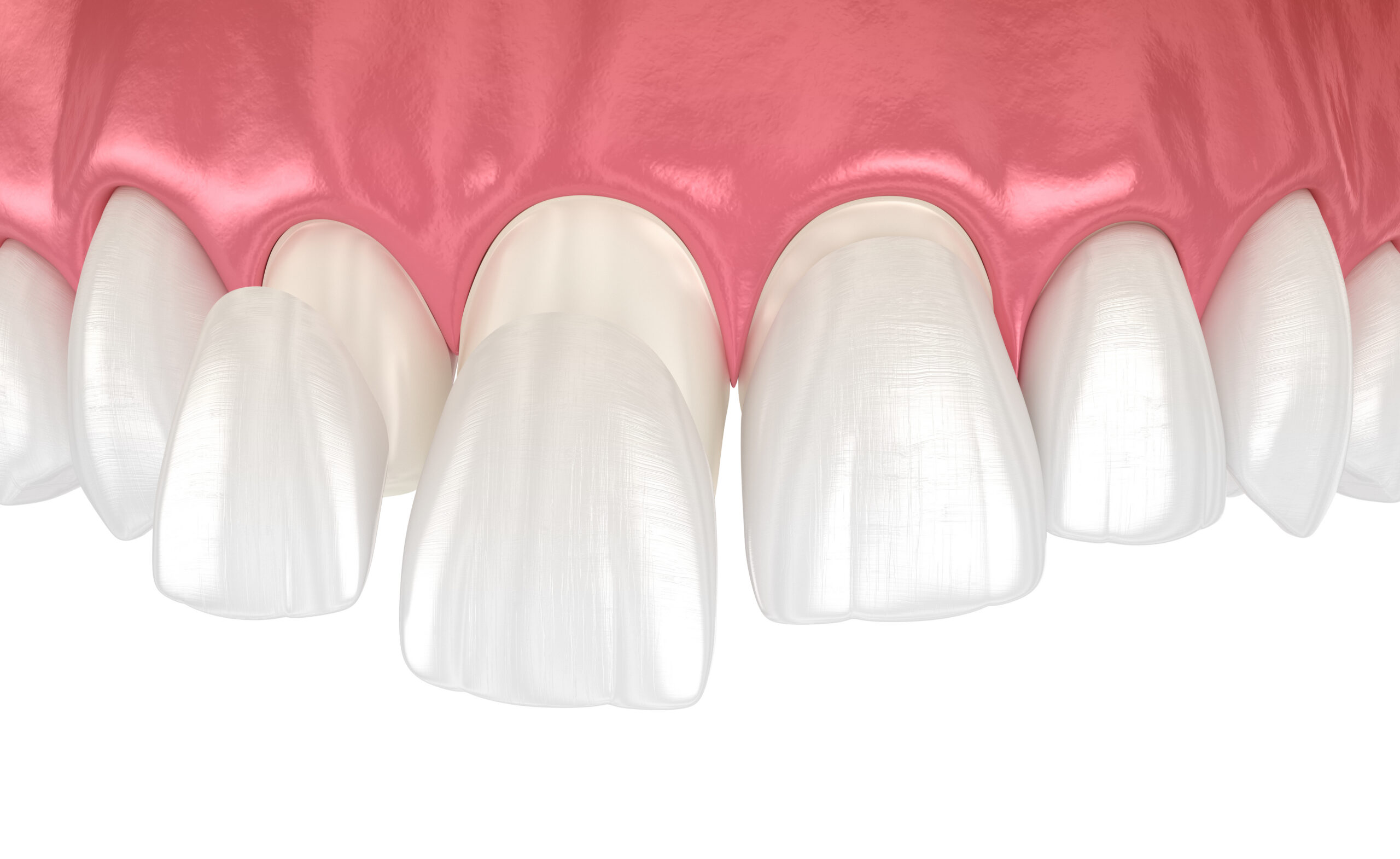
Dental veneers are thin, custom-made shells bonded to the front of your teeth to correct chips, stains, gaps, and uneven shapes that whitening and other conservative treatments cannot fully resolve, and they remain one of the most requested cosmetic dental treatments available today. Whether the right choice for your smile depends on your oral health, your goals, and how the treatment compares to other options, all of which are worth understanding before you schedule a consultation.
At Pauley Family Dentistry, we help patients throughout Lincoln, NE make informed decisions about their dental health. Our team combines advanced technology with personalized care to create beautiful, natural-looking smiles. Whether you’re dealing with discoloration that cannot be resolved through whitening, minor gaps between teeth, or chips and cracks affecting your smile, veneers might offer the solution you’ve been seeking.
What Are Dental Veneers?
Dental veneers are thin, custom-made shells designed to cover the front surface of your teeth. These restorations are crafted from either porcelain or composite resin materials and are bonded to your natural teeth to improve their appearance. The procedure changes the color, shape, size, or length of your teeth, creating a more uniform and attractive smile. A systematic review of long-term clinical studies published through the National Library of Medicine found that porcelain veneers show strong survival rates over ten years or more of everyday use, supporting their reputation as a durable, well-studied cosmetic option.
Porcelain veneers are particularly popular due to their durability and natural appearance. They resist stains better than your natural tooth enamel and can last many years with proper care. Composite resin veneers offer a more affordable alternative and can often be applied in a single visit, though they may not last as long as porcelain options. Some patients also ask about no-prep or minimal-prep veneers, a thinner style that requires less enamel removal; your dentist can tell you whether your teeth are a good fit for this approach. Veneers are sometimes confused with dental crowns, but the two serve different purposes: a veneer covers only the front surface of a tooth to improve its appearance, while a crown covers the entire tooth and is typically used to restore strength after significant decay or damage.
Common Issues Veneers Can Address
Veneers provide versatile solutions for numerous cosmetic dental concerns. They excel at correcting teeth discolored by stains, medications, or root canal treatment when traditional whitening treatments cannot achieve the desired results. Many patients choose veneers to address worn-down enamel from grinding or aging, chipped or broken teeth, or teeth that are slightly misaligned or irregularly shaped. Additionally, veneers can close small gaps between teeth without requiring orthodontic treatment.
For patients with one tooth that appears shorter than others or teeth that look too small or uneven, veneers create a more balanced, symmetrical smile line. The treatment allows for a comprehensive smile transformation while preserving much of your natural tooth structure, making it a conservative approach compared to other restorative options.
The Veneer Treatment Process
Understanding the veneer process helps you prepare for treatment and set realistic expectations. Each phase of treatment plays an important role in achieving your ideal results.
Initial Consultation and Planning
The process typically begins with a consultation where your dentist examines your teeth, discusses your goals, and determines if veneers are appropriate for your situation. Digital imaging may be used to show you a preview of your potential results. This planning phase helps ensure everyone has clear expectations about the final outcome.
Tooth Preparation and Impressions
The preparation phase involves removing a small amount of enamel from the front of your teeth to make room for the veneers. This step is essential for achieving a natural-looking result without making your teeth appear bulky. Your dentist then takes impressions of your prepared teeth, which are sent to a dental laboratory where skilled technicians craft your custom veneers. Temporary veneers may be placed while your permanent ones are being created.
Final Placement
Once ready, your dentist carefully bonds the veneers to your teeth using a special adhesive, checking for proper fit, color, and bite before permanently securing them. The entire process usually requires two to three appointments spread over several weeks. After placement, you can expect a noticeable change in your smile’s appearance.
Benefits of Choosing Veneers
Veneers offer numerous advantages that make them an attractive option for smile enhancement. Consider these key benefits:
- Natural-looking results that closely mimic the light-reflecting properties of natural teeth
- Highly stain-resistant surfaces that help your smile stay bright for years
- Conservative treatment requiring minimal tooth reduction compared to crowns
- Long-lasting results, with proper care allowing porcelain veneers to last many years or longer
- A comfortable procedure, with any sensitivity experienced during preparation typically temporary
- A meaningful confidence boost that allows you to smile freely without self-consciousness
These benefits make veneers an investment in both your appearance and your overall quality of life.
Are Veneers Right for Your Smile?
While veneers work wonderfully for many patients, they aren’t the ideal solution for everyone. Understanding who makes a good candidate, and what the treatment involves long-term, helps you determine if this approach aligns with your needs.
Ideal Candidates
The best candidates have healthy teeth and gums, as any existing dental issues like cavities or gum disease must be addressed first. You should have sufficient enamel for proper bonding, as the procedure requires removing a thin layer of enamel during preparation. Veneers work best for patients who do not grind or clench their teeth, a condition known as bruxism, which can damage veneers over time. If you experience grinding, your dentist may recommend a nightguard to protect your investment.
What to Know Before You Commit
Because veneer placement requires removing a small amount of enamel, the process is not reversible, and your teeth will need some form of covering from that point forward. It is a well-established, predictable procedure, but it is still a permanent change worth discussing openly with your dentist. Some patients notice mild sensitivity to hot or cold temperatures in the days after preparation, which typically settles on its own as your teeth adjust.
When Alternative Treatments May Be Better
Certain situations may require different approaches. Severely damaged or decayed teeth might need crowns or fillings rather than veneers. Significant misalignment or bite issues could be better addressed with orthodontic treatment. Your dentist will evaluate your specific circumstances and recommend the most appropriate solution for achieving your smile goals.
Caring for Your Veneers
Maintaining your veneers involves simple steps similar to caring for your natural teeth. Brush twice daily with non-abrasive toothpaste and floss daily to keep your gums healthy and prevent decay around the veneer margins. Regular dental checkups and cleanings allow your dentist to monitor your veneers and address any concerns early.
Avoid using your teeth as tools to open packages or bite hard objects, as this can chip or crack your veneers. If you participate in contact sports, wear a protective mouthguard. While porcelain veneers resist staining, minimizing exposure to substances like coffee, tea, and red wine helps maintain their appearance. With proper care, your veneers can continue enhancing your smile for many years.
The Cost of Veneers and Your Payment Options
The cost of veneers varies based on the material you choose, the number of teeth being treated, and your specific smile goals, so your dentist can only give you an accurate estimate after an in-person evaluation. Because veneers are typically considered a cosmetic treatment, insurance coverage varies by plan and provider. Many patients use a combination of insurance benefits, third-party financing, or an in-house membership plan to make treatment fit their budget. Our payment options and financing page outlines the choices available at our practice, and our team is glad to walk you through them during your consultation.
Transform Your Smile at Pauley Family Dentistry in Lincoln, NE
As the founder of Pauley Family Dentistry, Dr. Pauley leads a practice built on comprehensive, patient-focused dental care for individuals and families throughout Lincoln and the surrounding communities. Our team stays current with modern dentistry and ongoing education, and we combine that knowledge with a personalized approach to cosmetic dentistry so every treatment plan reflects your specific goals rather than a one-size-fits-all solution.
If you’re ready to explore whether dental veneers are the right option for your smile concerns, our team is here to help. During your consultation, we’ll discuss your smile goals, evaluate your dental health, and outline a treatment plan built around your needs. Contact us today to schedule your consultation and take the first step toward the smile you want.
Frequently Asked Questions About Dental Veneers
How long do dental veneers typically last?
Porcelain veneers are known for their long-term durability, and clinical research has found strong survival rates well beyond ten years of regular use when patients maintain good oral hygiene and see their dentist for routine checkups. Composite veneers tend to have a shorter lifespan than porcelain but can still last several years with proper care. Your habits, such as avoiding teeth grinding and hard foods, play a large role in how long your veneers hold up.
Are dental veneers permanent, or can they be reversed?
Traditional veneers require removing a small amount of enamel from your teeth, and enamel does not grow back, so the process is considered permanent rather than reversible. Once you have veneers, your teeth will need some form of covering going forward. This does not mean the treatment is risky, only that it is a lasting change worth discussing thoroughly with your dentist before moving forward.
What is the difference between veneers and dental crowns?
A veneer is a thin shell bonded only to the front surface of a tooth to improve its appearance, while a crown covers the entire visible portion of a tooth and is generally used to restore strength after significant decay, a root canal, or trauma. Veneers are typically chosen for cosmetic concerns on otherwise healthy teeth, while crowns are often recommended when a tooth needs structural reinforcement. Your dentist can help determine which option matches your situation.
Can veneers fix crooked or misaligned teeth?
Veneers can improve the appearance of mild misalignment, uneven spacing, or teeth that look slightly rotated by masking these issues with a new, uniform surface. They do not move teeth the way orthodontic treatment does, so significant bite problems or major misalignment usually call for braces or clear aligners first. In many cases, your dentist can tell you during a consultation whether veneers alone can meet your goals or whether orthodontic treatment should come first.
Do veneers require any special daily maintenance?
Veneers do not require complicated care beyond what you already do for your natural teeth. Brushing twice daily with a non-abrasive toothpaste, flossing regularly, and keeping up with routine dental visits are usually sufficient. Patients who grind their teeth may need a nightguard, and anyone who plays contact sports should wear a mouthguard to help protect the investment.

