The right choice depends on your bite, your goals, and how much daily responsibility each person in your family can handle. Invisalign is a well-known brand of clear aligners, which are removable plastic trays, while traditional braces use brackets and wires that stay on the teeth. Neither option is better for everyone, which can make decisions harder when you are weighing several smiles of different ages, schedules, and budgets.
Pauley Family Dentistry provides family dentistry in Lincoln, Nebraska, and while we do not provide orthodontic treatment in our office and refer braces and Invisalign to orthodontists, we want every parent to have clear, simple information before choosing a path for their children or themselves. Here is how the two treatments compare, so you can feel ready for a conversation with an orthodontist about what may fit your family best.
How Invisalign and Traditional Braces Work
Traditional braces use metal or tooth-colored ceramic brackets connected by wires. They stay on your teeth for the full length of treatment, so they keep working around the clock, and they can address most bite and alignment problems.
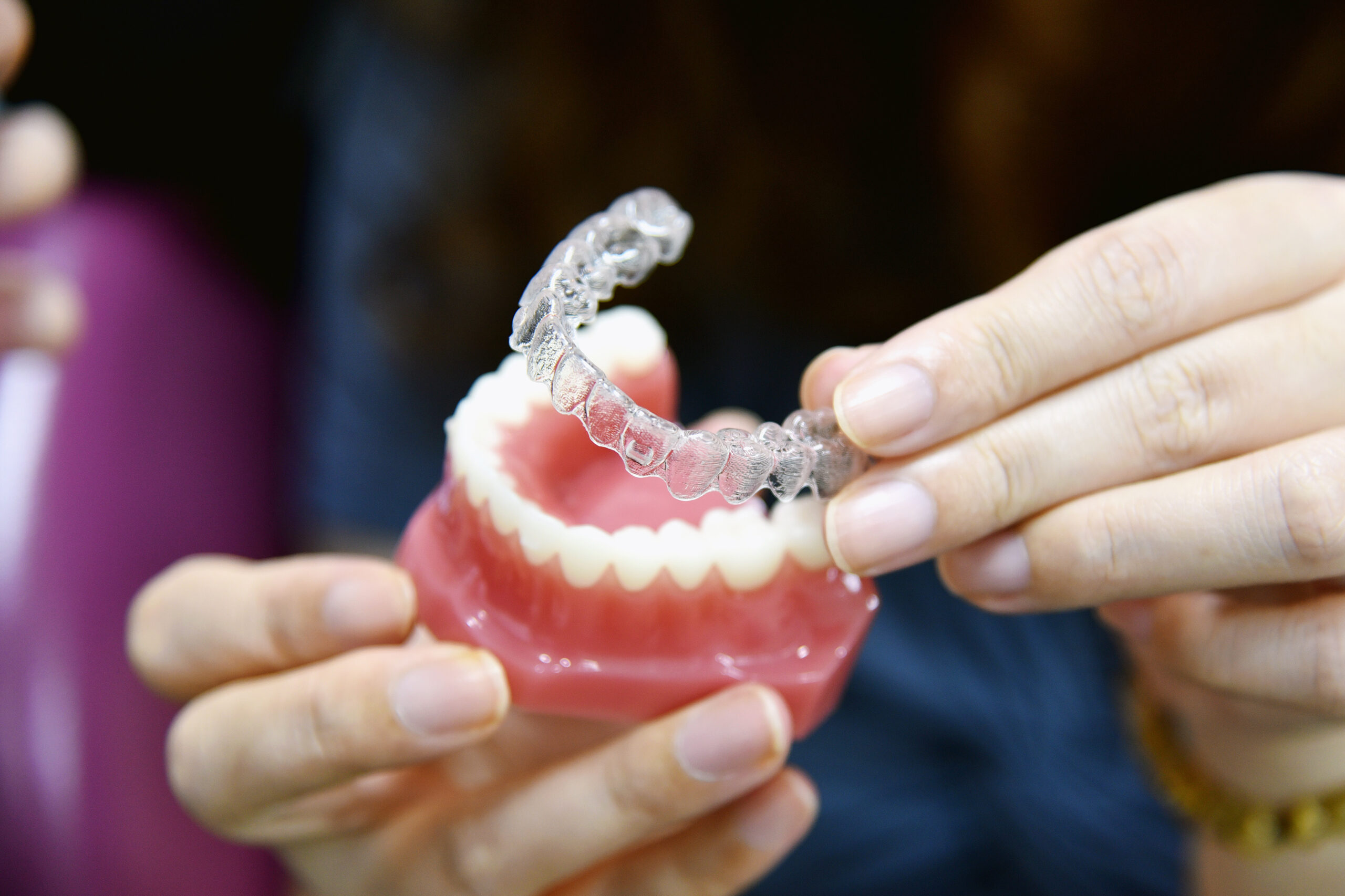
Invisalign uses a series of clear plastic trays that fit over your teeth and apply gentle pressure. You switch to a new set at set points in your plan, and each set moves your teeth a small amount. You take the trays out to eat, brush, and floss, but they only work while they are in your mouth, so they are meant to be worn most of the day.
Everyday Differences to Compare
Daily life can look quite different with each option, so these points are worth comparing side by side.
- Appearance: Braces are visible, while clear aligners are nearly invisible.
- Food: Braces call for avoiding hard, sticky, and chewy foods, while aligners come out for meals.
- Cleaning: Braces need careful brushing and flossing around brackets and wires, while aligners come out so you can clean your teeth the usual way.
- Responsibility: Braces cannot be removed, but aligners can be lost, damaged, or left out too long.
- Treatment scope: Braces can treat most orthodontic problems, and aligners work well for many cases, though suitability depends on the person.
No single item on this list decides the matter on its own, so it helps to weigh them together with your dentist or orthodontist.
Choosing for Different Ages in Your Family
Each family member may have different needs, so the best option can vary from one person to the next.
Children and Younger Teens
The American Association of Orthodontists recommends a first orthodontic visit by age 7, even while baby teeth are still in place, because early checks can catch growth and bite concerns while they are easier to address. Because aligners are removable, they work best for a child or teen who can keep them in most of the day and keep track of the case. Regular visits for children’s dental care may also help you watch how teeth and jaws develop between those milestones.
Older Teens and Adults
Older teens and adults may prefer how discreet aligners look. Braces may fit better for people with more complex needs or those who prefer a fixed option that does not depend on daily habits. If your goals also include how your smile looks overall, our cosmetic dentistry services in Lincoln cover options such as whitening and bonding.
Protect Your Teeth and Gums During Treatment
Healthy teeth and gums matter with either option. Brackets and wires can trap food and plaque, and sugary or acidic drinks can collect under aligners and may raise the chance of staining and cavities, so water is the safest choice while trays are in. Brushing and flossing every day, plus wearing a retainer afterward, may help protect your results.
Routine dental exams and cleanings give us a chance to check for early cavities, and digital x-rays can show what is happening below the surface. If you notice swollen or bleeding gums, it is worth having them checked early, and our gum disease treatment options may help keep your gums healthy.
Schedule a Family Visit With Pauley Family Dentistry
Both Invisalign and traditional braces can create a straighter smile, and the better fit comes down to your bite, your lifestyle, and your goals. A dental checkup is a helpful first step because healthy teeth and gums set the stage for any treatment you choose. We do not provide orthodontic treatment in our office, so we refer patients who need braces or Invisalign to an orthodontist, and we remain here for your family’s routine dental care.
Dr. Pauley is a Lincoln native who earned his Doctor of Dental Surgery degree at the University of Nebraska Medical Center College of Dentistry and purchased our practice in October 2023. He stays active in professional organizations such as the American Dental Association, the Nebraska Dental Association, and the Lincoln Dental Association, and he also supports public health through part-time work with the Lincoln-Lancaster County Health Department Dental Clinic. Reach out through our contact form to schedule your family’s visit.

