
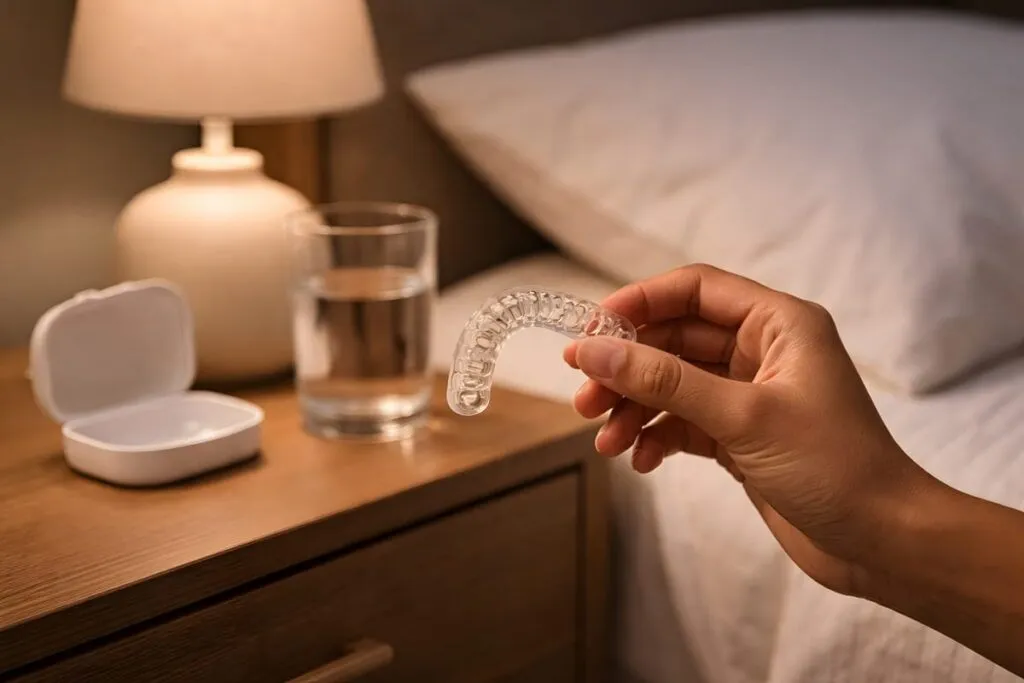
You wake up with a sore jaw, a dull headache, or teeth that feel strangely sensitive, yet you slept a full eight hours. What you may not realize is that while your mind was resting, your jaw was working overtime. Bruxism, the clinical term for teeth grinding and clenching, affects millions of Americans and often goes completely undetected because it primarily happens during sleep.
At Pauley Family Dentistry, we help Lincoln families identify the signs of bruxism before it leads to lasting damage. Through our night guard services, we offer custom-fitted protection that works while you sleep so your teeth don’t have to pay the price. If you’ve been waking up with unexplained jaw pain or headaches, it may be time to take a closer look at what’s happening overnight.
What Is Bruxism, and Why Does It Happen?
Bruxism is the habitual grinding, clenching, or gnashing of teeth, and it falls into two main categories: sleep bruxism, which occurs during sleep, and awake bruxism, which occurs during the day, often unconsciously. A 2024 systematic review published in PubMed Central found that nearly one in four individuals may experience awake bruxism, while sleep bruxism is regularly reported by around 8% of the general population.
What Triggers Bruxism?
The exact causes aren’t always clear-cut, but several factors are commonly linked to the condition. Stress and anxiety are among the most frequently cited contributors, as tension built up during the day can carry over into sleep. Misaligned teeth, sleep disorders like sleep apnea, and certain medications may also play a role. In children, bruxism is sometimes tied to growth and development and often resolves on its own, though it’s worth monitoring during routine exams and cleanings.
The Warning Signs You Shouldn’t Ignore
Because sleep bruxism happens unconsciously, many people are unaware they have it until a dentist spots the signs or a partner mentions hearing grinding sounds at night. Paying attention to how you feel in the morning and how your teeth look over time can offer revealing clues.
The following symptoms are commonly associated with bruxism:
- Jaw soreness or tightness: Waking up with aching or fatigued jaw muscles is one of the most common signs.
- Frequent headaches: Grinding can create muscle tension that radiates to the temples and forehead.
- Tooth sensitivity: Worn enamel exposes the inner layers of teeth, making them more sensitive to hot and cold.
- Chipped or flattened teeth: The grinding motion gradually wears down tooth surfaces.
- Disrupted sleep: Bruxism can affect sleep quality for both you and anyone sleeping nearby.
Recognizing these signs early gives you a much better chance of protecting your teeth before significant damage occurs.
How a Night Guard Protects Your Smile
A night guard is a custom-made oral appliance worn over the teeth during sleep, acting as a buffer between the upper and lower arches. Unlike generic over-the-counter options, a professionally fitted night guard is crafted from precise impressions of your teeth, ensuring a comfortable and secure fit that holds up over time.
What A Night Guard Does For Your Teeth
The appliance absorbs and distributes the grinding force so your enamel doesn’t bear the brunt. This is especially important because enamel doesn’t regenerate. Once it’s worn away, it’s gone for good. Patients who grind heavily without intervention can develop cracks, chips, and fractures requiring more involved restorative treatments like dental crowns. A night guard is one of the most cost-effective investments you can make in the long-term health of your smile.
Getting Fitted At Our Office
The fitting process is straightforward and typically takes just one visit to get started. We take impressions of your teeth that are sent to a dental lab, where your guard is custom-fabricated. Once it’s ready, you’ll come in for a fitting to make sure it feels right and functions properly. Most patients adapt to wearing it within a few nights.
Night Guards as Part of a Broader Preventive Strategy
Bruxism doesn’t exist in isolation; it’s often connected to your overall oral health and wellness. Addressing it is a natural part of a comprehensive preventive dentistry approach that focuses on preventing problems before they require more intensive care. At your regular checkups, we assess wear patterns on your teeth, screen for signs of clenching, and evaluate whether your current protection is working as it should.
Choose Pauley Family Dentistry for Night Guard Care in Lincoln
At Pauley Family Dentistry, Dr. Pauley and our team are committed to giving Lincoln patients the attentive, personalized care that protects their smiles for the long haul. We take the time to evaluate your individual situation, discuss your symptoms, and craft a solution that fits your life rather than a one-size-fits-all approach.
If you suspect you may be grinding your teeth, don’t wait for the damage to show up. Contact our office to schedule a visit, and we’ll help you wake up feeling the way a good night’s sleep is supposed to leave you.

