
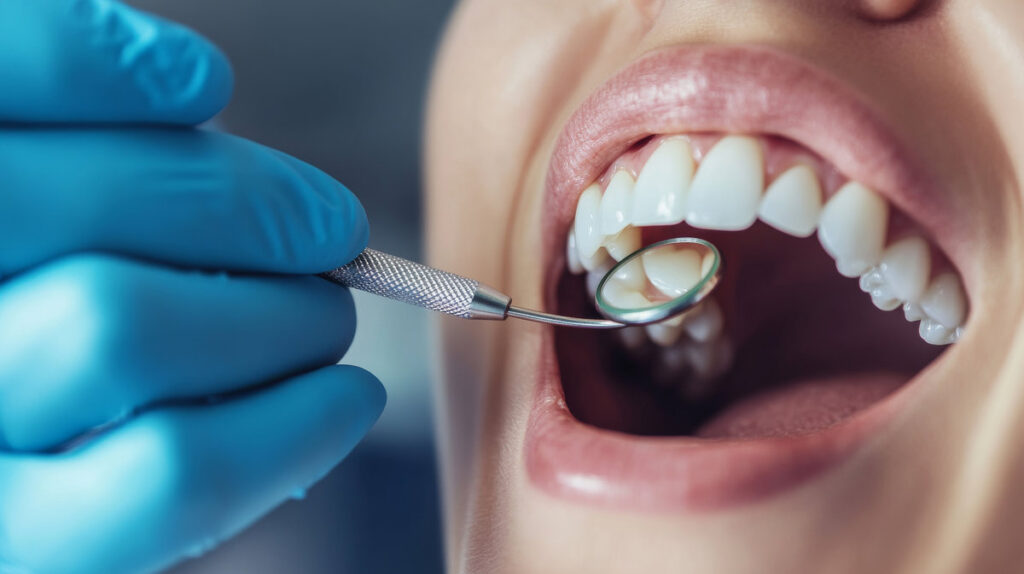
Most people have heard the rule: see your dentist twice a year. But if you have ever wondered whether that number applies to everyone, or whether skipping a visit here and there is really a big deal, you are not alone. The truth is that cleaning frequency is not one-size-fits-all, and understanding why can help you make smarter decisions about your smile and your long-term oral health.
At Pauley Family Dentistry, Dr. Sean Pauley takes a personalized approach to care, which includes helping each patient figure out the right schedule for their individual needs. Whether you are overdue for an appointment or simply want to understand your preventive dentistry options, we are here to guide you every step of the way.
Where Does the “Twice a Year” Rule Come From?
The twice-a-year recommendation has been the standard in dental care for decades, and for most healthy adults, it remains a solid benchmark. Professional cleanings remove plaque and tartar that build up in areas a toothbrush and floss simply cannot reach. When left in place, that buildup becomes a direct driver of cavities and gum disease. Scheduling dental exams and cleanings every six months gives your dentist a regular window to catch developing problems before they require more involved treatment.
The six-month interval also matters because of how quickly conditions can change. A tooth that looks healthy at one appointment can develop a cavity or show early signs of gum inflammation by the next. Regular visits create a consistent baseline that makes it far easier to spot changes and address them early.
When More Frequent Cleanings Make Sense
For some patients, two cleanings per year is the minimum rather than the maximum. Certain health conditions and lifestyle factors raise the risk of oral disease significantly, and more frequent professional care helps manage that risk before it becomes a problem.
You may benefit from cleanings every three to four months if any of the following apply to your situation:
- Active or history of gum disease: Patients managing gum disease require closer monitoring to prevent bacteria from recolonizing below the gumline between visits.
- Diabetes: This condition is closely linked to gum disease and can make infections harder to resolve, making consistent preventive care especially important.
- Tobacco use: Smoking or chewing tobacco accelerates plaque buildup and significantly increases the risk of gum disease and oral cancer.
- Dry mouth: Reduced saliva flow, whether from medications or other causes, removes a natural defense against bacteria and decay.
- History of frequent cavities: Some patients are genetically or biologically more prone to decay and benefit from more regular cleanings paired with fluoride treatments.
Understanding your personal risk profile is the key to building a cleaning schedule that actually serves your needs. Dr. Pauley will assess these factors and give you a clear recommendation at your visit.
What Happens If You Skip Cleanings?
Putting off a professional cleaning might feel harmless when your teeth seem fine, but the consequences of skipping visits tend to compound quietly over time. According to CDC data on oral and dental health, only about 65.5% of adults age 18 and older had a dental exam or cleaning in the past year, leaving a significant portion of the population without the preventive care that catches problems early.
Tartar, unlike soft plaque, cannot be removed at home, regardless of how well you brush and floss. Once it hardens onto the tooth surface, only professional instruments can remove it. The longer it sits, the greater the inflammation it causes to the surrounding gum tissue. Left unaddressed, that inflammation progresses into gum disease, which is a leading cause of tooth loss in adults.
How to Know What Schedule Is Right for You
The best answer to this question comes from a conversation with Dr. Pauley rather than a general guideline. Your cleaning schedule should reflect your oral health history, current conditions, lifestyle factors, and how your mouth has responded to care over time. A patient with no history of cavities and excellent home hygiene may do fine with two visits per year, while someone managing gum disease or a systemic health condition may need to come in three or four times annually.
The goal of every cleaning appointment is not just to polish your teeth. It is to give us the clearest, most current picture of your oral health so we can keep small problems from becoming large ones.
Schedule Your Next Cleaning at Pauley Family Dentistry in Lincoln
Whether you are due for your regular visit or coming in after a longer gap than you would like to admit, Pauley Family Dentistry welcomes patients at every stage of their oral health journey. Dr. Pauley and our team will assess where you are, discuss any concerns, and help you build a care schedule that works for your life.
Do not wait until something hurts to make an appointment. Reach out today through our contact page to schedule your cleaning and take the next step toward a healthier smile.

