
Restore damaged teeth with precision-placed fillings designed to blend naturally while providing long-lasting protection

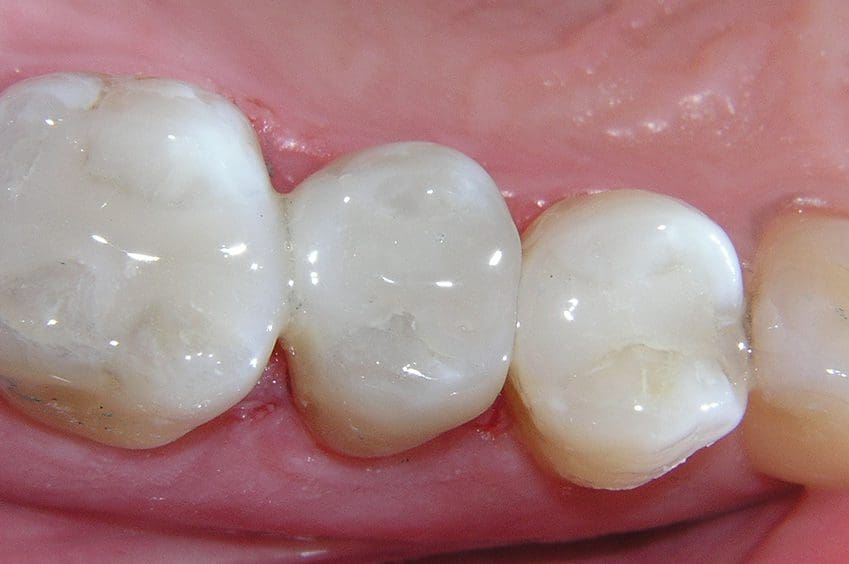
When tooth decay threatens a tooth, prompt treatment prevents further damage and preserves your natural smile. Small cavities caught early can be treated conservatively with dental fillings that stop decay progression and restore normal function, while delayed treatment often means decay spreads deeper into the tooth and may eventually require a root canal or extraction. According to the Centers for Disease Control and Prevention, dental caries (tooth decay) is one of the most common chronic conditions in the United States, affecting children and adults across all age groups.
At Pauley Family Dentistry, our restorative dentistry services include comprehensive dental fillings in Lincoln, NE using modern materials and precise techniques. Dr. Pauley’s meticulous approach removes only the affected tooth structure while preserving as much healthy tooth as possible. Whether you need a tooth-colored filling for a visible tooth, are concerned about tooth sensitivity, or want to replace older restorations, we walk through the options with you and recommend the material best suited to the specific tooth, your bite, and your goals.

Your dental filling procedure begins with a thorough examination and X-rays to assess the extent of tooth decay. Dr. Pauley carefully evaluates the decayed tooth to determine the appropriate filling material and treatment approach. Local anesthesia ensures your comfort throughout the procedure, numbing the affected tooth and surrounding tissues completely.
Once anesthesia takes effect, Dr. Pauley removes all decayed tooth structure using precision instruments. This step is critical, as any remaining decay will continue spreading beneath the filling. The cavity is then shaped and cleaned to prepare for the filling material. For composite fillings, the tooth surface is etched with a mild acid solution that creates tiny pores for better bonding.
The filling material is carefully placed in layers, with each layer shaped and hardened before the next is added. This meticulous technique creates proper adaptation to the cavity walls and optimal strength. After placement, Dr. Pauley adjusts the filling height to match your natural bite, ensuring comfortable chewing without interference. A final polish smooths the restoration and creates a natural texture.
Composite resin fillings are the most popular choice for treating cavities in visible areas. These tooth-colored fillings consist of plastic resin mixed with fine glass particles, creating restorations that match your natural tooth color precisely. The composite material bonds chemically to tooth structure, providing excellent strength while requiring less tooth structure removal during preparation compared to traditional options.
Tooth-colored composite resin offers several advantages beyond aesthetics. The bonding process creates a tight seal that prevents bacteria from entering and causing further decay. Composite fillings can repair small to moderate cavities, fix chipped teeth, close small gaps between teeth, and even reshape misshapen teeth. The material hardens immediately under a special curing light, allowing you to use the restored tooth normally right away.
Composite resin fillings require meticulous placement technique to achieve optimal results. Dr. Pauley applies the material in layers, carefully shaping each layer before curing it with light. This layering technique creates strong, durable restorations that withstand normal chewing forces. The final restoration is polished to match the texture and sheen of your surrounding natural teeth.
Amalgam fillings, also called silver fillings or metal fillings, have served dentistry for over 150 years. Dental amalgam consists of mercury mixed with silver, tin, copper, and sometimes zinc, creating an extremely durable filling material. These fillings work particularly well for back teeth that endure significant chewing pressure, as amalgam resists wear exceptionally well.
The strength of amalgam fillings makes them ideal for large cavities in molars where chewing forces are greatest. Unlike composite resin, amalgam does not bond chemically to tooth structure but rather locks mechanically into the prepared cavity. This requires creating undercuts in the tooth preparation, which means removing slightly more tooth structure than composite fillings require.
While amalgam fillings do not match natural tooth color, their silver appearance is less noticeable in back teeth. Many patients choose amalgam for posterior teeth due to their proven longevity and lower cost compared to tooth-colored alternatives. These restorations can last fifteen years or longer with proper care.
Glass ionomer fillings release fluoride over time, helping protect the affected tooth from further decay. These filling materials bond chemically to tooth structure and work well for cavities near the gum line or in areas not subjected to heavy chewing pressure. We often use glass ionomer for children’s primary teeth or as temporary fillings while waiting for permanent restorations.
The fluoride-releasing property provides ongoing protection, which is particularly beneficial for patients with high cavity risk or those struggling to maintain good oral hygiene. However, glass ionomer is less durable than composite resin or amalgam, making it unsuitable for biting surfaces of back teeth. The material also lacks the aesthetic appeal of composite resin, appearing more opaque and less natural.
When choosing between tooth-colored fillings and metal fillings, several factors influence the decision. Composite resin fillings provide superior aesthetics, making them the preferred choice for front teeth and visible areas. These restorations bond directly to tooth structure, creating a seal that helps prevent further decay around the restoration. They also require removing less tooth structure during cavity preparation.
Metal fillings, primarily amalgam, offer exceptional durability and longevity, particularly in back teeth subjected to heavy chewing forces. While their silver appearance is less attractive, their strength makes them excellent for large cavities in molars. Amalgam fillings also typically cost less than composite resin alternatives.
Dr. Pauley discusses both options with patients, explaining the advantages and limitations of each filling material. For many patients, the choice depends on cavity location: tooth-colored fillings for visible teeth and the option of either type for back teeth. Some patients prefer tooth-colored fillings throughout their mouth for a more natural appearance, while others prioritize the proven durability of amalgam for posterior teeth.
After receiving dental fillings, protecting your restoration and preventing new cavities requires consistent home care. Maintain good oral hygiene by brushing twice daily with fluoride toothpaste and flossing between all teeth once daily. These habits remove plaque bacteria that cause tooth decay, protecting both natural teeth and filled teeth from further damage.
Regular dental checkups allow Dr. Pauley to monitor your fillings and identify any problems early. Professional cleanings remove hardened tartar that brushing and flossing cannot eliminate, particularly around restoration margins where bacteria tend to accumulate. These preventive visits also include examinations that detect new cavities while they are still small and easy to treat. Your diet also significantly impacts cavity risk. Limiting sugary and acidic foods reduces the fuel bacteria use to produce tooth-damaging acids, and drinking fluoridated water strengthens tooth enamel.
Dental fillings require the same daily care as natural teeth. Brush all tooth surfaces thoroughly twice daily, paying particular attention to areas around fillings where decay can develop if plaque accumulates. Use gentle circular motions rather than aggressive scrubbing, which can damage both enamel and restoration margins. Flossing removes plaque and food particles from between teeth where toothbrush bristles cannot reach. Slide floss gently between teeth and curve it around each tooth in a C-shape, cleaning beneath the gum line.
Avoid habits that stress dental fillings unnecessarily. Do not chew ice, hard candy, or other extremely hard substances that can crack composite resin fillings or amalgam fillings. Using teeth to open packages or bite fingernails creates excessive force that damages both natural tooth structure and restorations. If you grind your teeth at night, discuss obtaining a nightguard to protect your teeth and fillings from bruxism damage.
Dental fillings do not last forever and eventually require replacement. Composite resin fillings typically last seven to twelve years, while amalgam fillings often serve fifteen years or longer before needing replacement. Individual factors including cavity size, bite forces, grinding habits, and oral hygiene all affect filling longevity significantly.
Signs that a filling needs replacement include visible cracks, rough or uneven edges, dark areas around filling margins indicating new decay, or sensitivity when biting. Sometimes fillings fail gradually without obvious symptoms, which is why regular dental checkups are essential. Dr. Pauley examines all existing fillings during preventive visits, identifying problems before they cause pain or require emergency treatment. When a filling fails, we remove it along with any new decay, then place a new restoration. If significant tooth structure was lost, a dental crown may provide better long-term protection than another filling.
The cost of dental fillings varies based on filling material, cavity size, and tooth location. Tooth-colored composite resin fillings typically cost more than amalgam due to material expense and the additional time required for precise placement. Most dental insurance plans cover fillings, though coverage levels vary. Our team helps maximize your benefits and explains all costs before beginning treatment, and our in-house membership plan offers meaningful savings for patients without insurance.
Composite resin bonds chemically to remaining tooth structure, requires removing less healthy tooth than older techniques, and matches your natural tooth color so the restoration is virtually invisible. It is the standard for visible front teeth and small-to-moderate cavities in back teeth.
Amalgam (silver) fillings remain an option for large cavities in back molars where chewing forces are heaviest. They cost less than composite, can last fifteen years or longer, and remain endorsed as safe for adults and children over age six by the American Dental Association and FDA.
Glass ionomer fillings release fluoride over time, making them useful near the gum line, for children's primary teeth, and as temporary restorations. They are less durable than composite or amalgam, so we reserve them for situations where their fluoride benefit outweighs the trade-off in strength.
We primarily use tooth-colored composite resin fillings that bond directly to your tooth and can be precisely matched to your natural tooth color. Dr. Pauley will discuss the best material options for your specific situation, considering factors like the size and location of the restoration and your individual needs.
Most filling procedures can be completed in a single appointment, typically taking 30 minutes to an hour, depending on the size and location of the restoration. Dr. Pauley ensures your comfort throughout the procedure and takes the time needed to place each filling with precision and care.
With proper care and regular dental visits, modern composite fillings can last 7-12 years or longer. The longevity of your filling depends on factors such as the size of the restoration, your bite forces, oral hygiene habits, and regular professional maintenance and monitoring.
Some patients may experience mild sensitivity to temperature or pressure for a few days after filling placement. This is normal and typically resolves as your tooth adjusts to the restoration. Dr. Pauley will provide specific aftercare instructions and address any concerns you may have.
Care for filled teeth just like your natural teeth with regular brushing, flossing, and professional cleanings. Avoid chewing on hard objects like ice or using your teeth as tools. Regular dental visits allow Dr. Pauley to monitor your fillings and overall oral health.
Fillings may need replacement if they become worn, cracked, or develop decay around the edges. Dr. Pauley will monitor your fillings during regular checkups and recommend replacement when necessary to maintain optimal protection and function of your restored teeth.

Just as Dr. Pauley approaches his hobbies with careful attention to detail and precision, he brings that same dedication to your dental care. Every procedure follows meticulous protocols to ensure optimal results, whether it’s crafting the perfect crown or achieving the ideal shade for your whitening treatment.
We believe in taking the time to do things right—no shortcuts, no rushed appointments. Dr. Pauley’s background as a Lincoln native who understands the community means that you’re not just another patient; you’re a neighbor and friend deserving of exceptional care.
Dr. Pauley’s meticulous approach ensures each filling is carefully crafted to restore comfortable function and a natural appearance while preserving as much of your healthy tooth as possible. We take time to explain what we are seeing, walk you through your options, and answer any questions before treatment begins so you feel confident about your care.
Do not let a small cavity grow into a larger problem. Early treatment with a dental filling keeps your tooth strong, your costs predictable, and your dentistry minimally invasive. Contact our office today to schedule your exam, and we will help you protect your smile for the long term.

Your opinions are important to us. Whether it is a simple question or a valuable suggestion, we are here 24/7. You can call us by phone or email us directly.
Located within the Trade Center