
What Happens During a Tooth Extraction and How to Care for Your Mouth After
The thought of having a tooth removed can feel intimidating, but understanding what happens during the procedure and how to care for yourself afterward helps ease anxiety. Tooth extractions are among the most common dental procedures, performed when a tooth is too damaged to save or when removal benefits your overall oral health. Whether you need an extraction due to severe decay, advanced gum disease, overcrowding, or trauma, knowing what to expect makes the experience less stressful and helps you prepare for a smooth recovery.
At Pauley Family Dentistry, we perform tooth extractions with precision and care, prioritizing your comfort throughout the entire process. Our team takes time to explain each step of the procedure and provides detailed aftercare instructions to ensure optimal healing. We understand that losing a tooth represents more than just a dental procedure, and we approach each extraction with the compassion and expertise you deserve while discussing options to restore your smile afterward. Comprehensive oral surgery services ensure you receive professional care when tooth extraction becomes necessary.
Why Tooth Extractions Become Necessary
Several conditions can make tooth extraction the best treatment option for protecting your oral health.
Common Reasons for Extraction
Severe tooth decay that extends deep into the tooth structure may destroy so much of the tooth that restorative dentistry options like crowns or fillings cannot save it. Advanced gum disease can destroy the bone and tissue supporting teeth, causing them to become loose and painful. Fractured teeth resulting from accidents or trauma sometimes break below the gum line in ways that make repair impossible. Impacted wisdom teeth that cannot properly emerge through the gums often require removal to prevent infections, cysts, and damage to adjacent teeth.
When Extraction Prevents Future Problems
Overcrowding occurs when your jaw lacks sufficient space for all your teeth to fit properly, and removing certain teeth creates room for orthodontic treatment to align your smile. Teeth positioned incorrectly or growing at the wrong angles can damage neighboring teeth and require removal. Baby teeth that fail to fall out naturally when permanent teeth try to emerge need extraction to allow normal dental development. In some cases, teeth must be removed before radiation therapy or organ transplants to eliminate potential sources of infection. Understanding the reasons behind extraction helps you recognize when removal serves your long-term oral health interests.
What Happens During the Extraction Procedure?
Knowing what to expect during your appointment reduces anxiety and helps you feel more prepared.
Simple Extractions for Visible Teeth
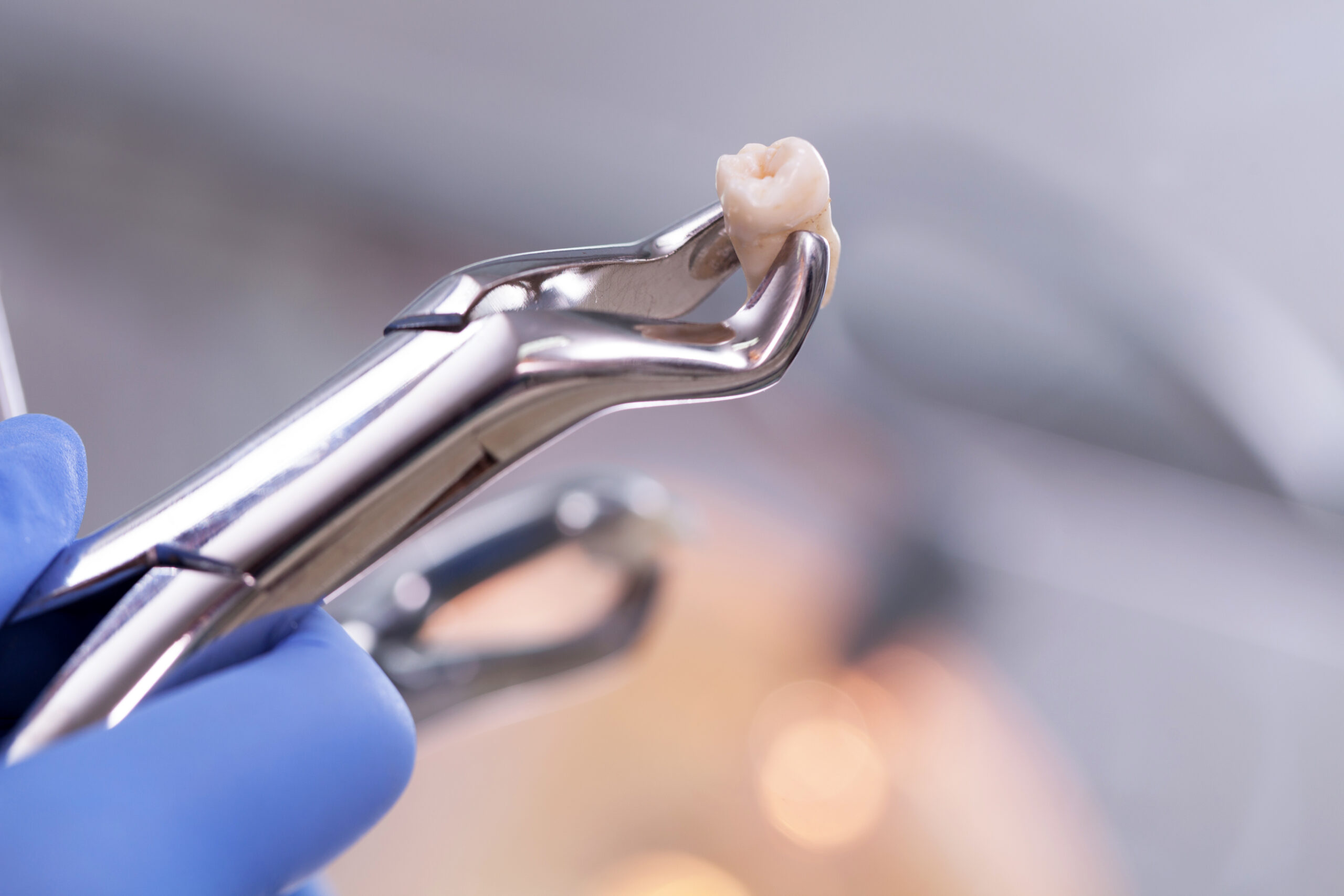
For teeth fully visible above the gum line, dentists perform simple extractions using local anesthesia to numb the area completely. You remain awake during the procedure but feel no pain. Your dentist uses an instrument called an elevator to gently loosen the tooth in its socket by rocking it back and forth. Once the tooth becomes mobile, forceps grasp and remove it with steady, controlled pressure. The entire process typically takes just a few minutes per tooth.
Surgical Extractions for Complex Cases
Teeth that have broken below the gum line, have curved roots, or remain impacted in the jawbone require surgical extraction. This involves making a small incision in the gum tissue to access the tooth. In some cases, your dentist may need to remove a small amount of bone around the tooth or divide the tooth into sections for easier removal. Surgical extractions take longer than simple ones and may involve stitches to close the incision site. After removing the tooth, your dentist places gauze over the extraction site and asks you to bite down firmly to control bleeding and promote clot formation.
Immediate Aftercare in the First 24 Hours
The first day following extraction is critical for proper healing and preventing complications.
Controlling Bleeding and Protecting the Clot
Harvard School of Dental Medicine recommends biting on gauze for 30 minutes after extraction, then changing it once more. A small amount of blood mixing with saliva is normal and may make bleeding appear worse than it actually is. If bleeding continues, place a moistened tea bag wrapped in gauze over the socket and apply firm pressure for 30 minutes. The tannic acid in tea helps blood clot. Avoid rinsing, spitting, or using straws, as the suction can dislodge the blood clot protecting your extraction site.
Managing Pain and Swelling
Begin taking pain medication before the anesthetic wears off, typically 30 to 60 minutes after your appointment. Over-the-counter ibuprofen works effectively for most patients, though your dentist may prescribe stronger medication if needed. Apply ice packs to your cheek near the extraction site in 20-minute intervals during the first day to minimize swelling. Avoid placing ice directly on skin, and never fall asleep with ice on your face.
Rest is essential during the first 24 hours to allow your body to focus on healing.
Trust Pauley Family Dentistry in Lincoln, NE for Tooth Extractions
Dr. Pauley and our team approach every tooth extraction with skill and compassion, ensuring your comfort and safety throughout the procedure. We provide clear, thorough aftercare instructions and remain available to answer questions or address concerns during your recovery. Our commitment to your oral health extends beyond the extraction itself to helping you maintain a healthy, functional smile for years to come.
If you need a tooth extraction or have questions about the procedure and recovery process, we are here to help. Contact us today to schedule a consultation and learn how we can make your experience as comfortable as possible while protecting your long-term oral health.
