
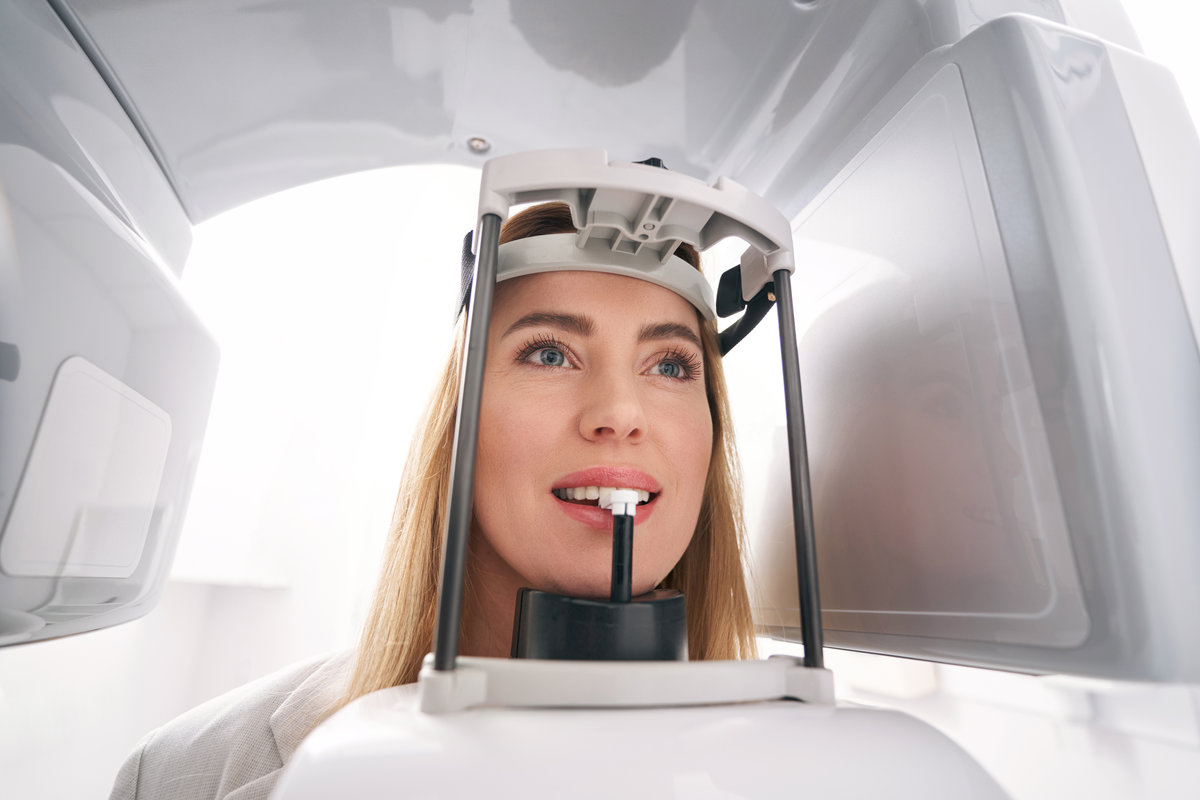
Traditional dental X-rays have served dentistry for over a century, but the technology required chemical processing, involved higher radiation exposure, and provided limited image quality for diagnosis. If you’ve experienced the uncomfortable bite wings, lengthy wait times for film development, or concerns about radiation exposure during dental visits, you understand the limitations of conventional radiography. Modern dental practices are moving away from these outdated methods, embracing technology that improves both patient experience and diagnostic accuracy.
At Pauley Family Dentistry, Dr. Pauley uses state-of-the-art digital X-ray technology to provide safer, more accurate diagnostic imaging for our patients. Our Lincoln practice has invested in advanced digital X-ray systems that reduce radiation exposure, provide instant image viewing, and deliver superior diagnostic information. This modern approach to dental imaging allows us to detect problems earlier, explain conditions more clearly, and provide the highest quality care while prioritizing your safety and comfort.

Digital x-rays use electronic sensors instead of traditional film to capture images of your teeth, gums, and bone structure. When X-ray energy passes through your oral tissues, the digital sensor records the information and instantly transmits it to a computer, where the image appears on a monitor within seconds. This immediate availability eliminates the waiting period required for film development, allowing your dentist to view and discuss findings with you during the same appointment.
The technology behind digital radiography represents a significant advancement over conventional methods. According to the American Dental Association, digital imaging provides an opportunity to reduce radiation dose by 40 to 60 percent compared to traditional film. Digital sensors are more sensitive to x-ray photons than film, requiring less radiation to produce clear, detailed images. This improved sensitivity, combined with advanced image processing capabilities, delivers diagnostic information that helps dentists detect problems in their earliest, most treatable stages.
Digital x-ray technology offers numerous advantages that improve both the diagnostic process and patient experience. These benefits explain why modern dental practices have made the transition from film to digital imaging systems.
Digital x-rays expose patients to significantly less radiation than traditional film x-rays, making them a safer choice for regular diagnostic imaging. The enhanced sensitivity of digital sensors means less radiation is needed to capture clear, detailed images. This reduction in exposure is particularly important for children, pregnant women, and patients who require frequent imaging to monitor ongoing conditions.
Unlike traditional film that requires chemical processing and development time, digital x-rays appear on the computer screen within seconds of being taken. This immediate availability allows your dentist to review images while you're still in the chair, discussing findings and treatment options without delay. The efficiency saves time during your appointment and enables faster diagnosis and treatment planning.
Digital technology provides enhanced image clarity and detail that surpasses traditional film. Your dentist can adjust brightness, contrast, and magnification on digital images, zooming in on specific areas to examine them more closely. This enhanced visualization helps detect small cavities, hairline fractures, and other subtle problems that might be missed on conventional film.
Digital radiography eliminates the need for chemical processing solutions required to develop traditional film. This removal of toxic chemicals from the dental office benefits both the environment and the health of dental staff. Digital storage also reduces physical space requirements, as thousands of images can be stored electronically rather than in bulky film files.
Different types of digital x-rays serve specific diagnostic purposes, providing comprehensive views of various oral structures. Understanding these different imaging options helps you appreciate the thoroughness of your dental examinations.
Bitewing x-rays capture images of the upper and lower back teeth in a single view, showing the crown portions of teeth and supporting bone levels. These images are particularly useful for detecting cavities between teeth, monitoring bone loss from gum disease, and evaluating how well dental crowns or fillings fit. Most patients receive bitewing x-rays during routine check-ups to monitor oral health.
Periapical x-rays show the entire tooth from crown to root tip, including surrounding bone structure. These detailed images help diagnose problems affecting the tooth root, detect abscesses or cysts, evaluate bone health, and plan treatments like root canal therapy or extractions. Periapical x-rays provide essential information when investigating specific tooth pain or planning complex procedures.
Panoramic x-rays capture a single image showing all teeth, both jaws, the temporomandibular joints, and surrounding structures in one comprehensive view. These images are valuable for evaluating wisdom teeth, planning orthodontic treatment, detecting jaw problems, and screening for tumors or cysts. The panoramic view provides context that individual tooth x-rays cannot offer.
Digital x-ray technology prioritizes patient safety through reduced radiation exposure and careful adherence to imaging guidelines. Modern dental practices follow strict protocols to ensure x-rays are taken only when diagnostically necessary and with minimal radiation exposure.
The radiation dose from digital dental x-rays is extremely low, especially when compared to other common radiation sources you encounter daily. A single digital dental x-ray exposes you to less radiation than you receive from natural background sources during a few hours of normal daily life. The cumulative radiation from a full series of dental x-rays is comparable to the exposure from a short airplane flight.
Dental professionals take additional precautions to protect you during imaging. Lead aprons and thyroid collars shield your body from scattered radiation, while precise beam collimation limits exposure to only the area being imaged. Pregnant women should inform their dentist of their pregnancy, as x-rays can typically be postponed until after delivery unless emergency treatment requires diagnostic imaging.
The frequency of dental x-rays depends on your individual oral health status, age, and risk factors for dental disease. Understanding when imaging becomes necessary helps you appreciate its role in comprehensive dental care.
During your first visit to a new dental practice, comprehensive x-rays provide baseline information about your oral health, revealing existing problems and establishing a reference for future comparisons. Patients with good oral health and low risk for dental problems may need x-rays only every one to two years during routine check-ups.
Those with a history of frequent cavities, gum disease, or other oral health issues benefit from more frequent imaging to monitor conditions and catch new problems early. Children and teenagers may require more frequent x-rays than adults, as their teeth and jaws are still developing. Certain situations warrant immediate x-rays regardless of your normal schedule, including tooth pain, injury, swelling, or other symptoms suggesting dental problems.
Modern dental care requires modern diagnostic tools, and digital x-ray technology represents an essential component of comprehensive oral health evaluation. At Pauley Family Dentistry, Dr. Sean Pauley uses advanced digital imaging systems to provide the most accurate diagnoses while minimizing your radiation exposure. We combine this cutting-edge technology with thorough clinical examinations to deliver the highest standard of care for every patient.
Experience the difference that modern dental technology makes in your care. Contact our Lincoln office today to schedule your appointment and discover how digital x-rays contribute to more accurate diagnoses, better treatment planning, and safer dental care. We’re committed to using the latest advances in dentistry to protect your oral health and provide the exceptional care you deserve.
Your opinions are important to us. Whether it is a simple question or a valuable suggestion, we are here 24/7. You can call us by phone or email us directly.
Located within the Trade Center